
Reproductive Governance and Medical Paternalism in Japan: The Politics of NorLevo’s Approval
by Emily Mito
From the author
This academic paper examines contemporary and historical reproductive governance in Japan through the lens of access to contraceptive pills. Centering on the Japanese government’s October 2025 decision to convert NorLevo, an emergency contraceptive pill, to behind-the-phermacy-counter status, the paper investigates how political and medical institutions continue to regulate women’s bodily autonomy through medical paternalism. Although the policy change—achieved largely through dedicated feminist activsim—marked an important step toward addressing Japan’s decades-long delay in access to emergency contraception compared to global standards, significant barriers remain. The high cost of the pill (approximately $50 for a single dose) and privacy concerns surrounding the requirement to take the medicine in front of a pharmacist in a public setting continue to restrict meaningful access. Furthermore, analysis of the decade-long evaluation process reveals that committee discussions often prioritized the supervision of women’s sexuality and reproductive behavior over the protection of reproductive rights.
The paper then trances the historical continuity of medical and institutional paternalism over women’s bodies through several key moments in Japan’s reproductive governance: the legalization of abortion under the Eugenics Protection Law (1948), the nearly forty-year delay in approving oral contraceptives during the late twentieth century, the rapid approval of Viagra in 1999, and state-led censorship surrounding sex education in schools during the early 2000s. Together, these cases reveal how reproductive healthcare in Japan has repeatedly been shaped by demographic concerns, moral regulation, and institutional authority rather than by women’s reproductive autonomy.
Throughout the paper, I argue that medical paternalism in Japan has operated through three interconnected mechanisms: infantilizing women, pathologizing female sexuality, and prioritizing perceived public and national interests over reproductive rights. Male-dominated political and medical institutions have historically regulated and stigmatized women’s sexuality and bodily autonomy by restricting access to contraception and comprehensive sex education while simultaneously normalizing male sexuality.
This research also carried personal significance for me as someone who grew up within the very silence surrounding sexuality and reproductive knowledge examined in this paper. Throughout my education in Japan, sex education classes separated by gender consistently presented condoms as the primary—and almost the only—form of contraception. Even when low-dose oral contraceptives were discussed, their contraceptive function was largely omitted in favor of emphasizing their therapeutic use for menstrual symptoms. Conducting this research led me to recognize that the stigma, silence, and lack of confidence surrounding sexual literacy that I continue to internalize were not individual shortcomings or merely “cultural” legacy. Rather, they were systematically produced through institutional restrictions on sexual education and reproductive healthcare later mobilized to justify continued medical paternalism over women’s bodies. I hope this project invites both Japanese and international women and girls to critically examine the institutional and medical structures that continue to regulate our bodily autonomy under the language of protection and morality.
INTRODUCTION
In October 2025, the Japanese government switched the status of NorLevo, an emergency contraceptive pill, from prescription-only to behind-the-pharmacy-counter (BPC) medicine. The pill became available at 7,000 pharmacies across Japan, catching up to a decades-long delay from the global standard. Although this change significantly improves access to emergency contraception—which is crucial to women’s bodily autonomy—the delayed approval process itself reveals enduring paternalistic control embedded in Japan’s reproductive politics.
My aim in this paper is to move the conversation beyond questions of access toward a reproductive justice framework, which, as articulated by Marlene Gerber Fried and Loretta J. Ross, emphasizes not only access to reproductive health care but also bodily autonomy and freedom from institutional control over reproduction. By closely analyzing the institutional discourse surrounding NorLevo’s approval within the broader context of Japan’s postwar reproductive politics, I argue that the delayed approval of behind-the-phermacy-counter access reflects the persistence of medical paternalism and institutional governance over women’s reproductive bodies. Rather than demonstrating a genuine state commitment to reproductive autonomy, the 2025 approval emerged through sustained feminist activism while preserving institutional logics that position women as subjects to be monitored, educated, and judged by medical authorities. The following sections examine three mechanisms through which this paternalism operates: the infantilization of women, historical population governance, and the pathologization of women’s sexuality.
What is at Stake
NorLevo is an emergency contraceptive pill (ECP) manufactured by Daiichi Sankyo Health Care (Figure1). Its primary component is Levonorgestrel, a synthetic hormone that prevents pregnancy by suppressing ovulation. The pill has an effectiveness rate of approximately 84% when taken within 72 hours after unprotected sexual intercouse. Levonorgestrel medicines are available either behind or over the counter in around ninety countries while only thirty-four countries continue to require prescriptions. Five years after NorLevo was approved in 2011, a request was submitted to the government’s Evaluation Meeting Regarding the Conversion of Medical-grade Products to General-use Products to switch the medicine to over-the-counter (OTC) status. However, the government concluded that Japanese society was still “premature” in terms of sex education and awareness of emergency contraception and postponed the policy change.
In addition to pressure from international health organizations advocating greater accessibility, sustained activism by feminist groups such as Pilcon and Project #Why Isn’t There—including signature campaigns, public education efforts, online surveys, and information-sharing initiatives—eventually pushed the government to change NorLevo’s status in October 2025. Nevertheless, significant limitations remain.The law requires users to take the pill in front of a certified pharmacist, raising concerns about privacy and preventing women from obtaining it in advance. The high price of 7,480 JPY (50 USD) also continues to limit equitable access. More importantly, the discourse surrounding the approval process itself reveals enduring medical paternalism over women’s reproduction and sexualities in Japan.

Medical paternalism and infantilization of women
Discussions surrounding the conversion of NorLevo from prescription-only to OTC status took place between 2017 and 2025 at the Evaluation Meeting Regarding the Conversion of Medical-grade Products to General-use Products hosted by the Ministry of Health, Labour and Welfare. Although membership shifted slightly over time, the committee consistently consisted of roughly twenty doctors and scholars, among whom only four members were women. Through an examination of the committee transcripts, I argue that members repeatedly positioned women as lacking the knowledge, discipline, and rationality necessary to manage their own reproductive health through NorLevo, thereby legitimizing continued medical supervision.
Committee members frequently justified women’s supposed unfitness for autonomous access to emergency contraception by pointing to two conditions: inadequate sex education and the relatively uncommon use of oral contraceptives in Japan compared to Europe and the United States. A board member of the Japan Association of Ob-gyns argued that “sex education itself is far delayed in Japan,” adding that even his pharmacist wife was “completely clueless” (“チンプンカンプン”) regarding contraceptive pills. This statement framed not only consumers but also pharmacists as incapable of responsibly managing emergency contraception, thereby reinforcing doctors’ exceptional authority over reproductive healthcare.
Another physician similarly insisted that emergency contraceptives required institutional supervision because medical facilities provided opportunities for “appropriate sex education” and “patient education” that pharmacies could not offer. Here, the physician positioned himself not only as a healthcare provider but also as a moral and educational guardian responsible for regulating women’s contraceptive behavior and sexual practices.
Committee members also repeatedly framed structural conditions—such as restricted access to contraception and inadequate sex education—as evidence of women’s personal incapacity. One doctor argued that OTC access might be acceptable in the United States because women there were accustomed to regular oral contraceptive use, whereas Japanese women “rarely use oral pills” due to Japan’s “culture and environment.” Such comments transformed historically produced institutional conditions into individualized or cultural deficiencies.
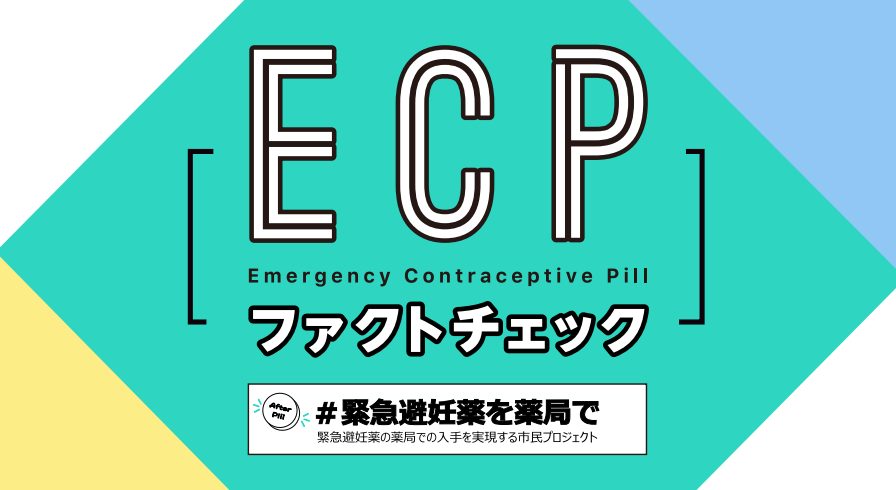
The expert authority asserted throughout these discussions was significantly destabilized by the interventions of feminist activists who joined the meetings beginning in October 2021. Sakiko Enmi, Asuka Someya, and Kazuko Fukuda, co-representatives of the Citizen-led Project to Make Emergency Contraceptives Available at Phermacies (緊急避妊薬の薬局での入手を実現する市民プロジェクト), presented the “ECP Fact Check,” which compared previous committee discussions and publications by the Japan Association of Obstetricians and Gynecologists with global medical guidelines produced by the WHO, International Federation of Gynecology and Obstetrics, and International Consortium for Emergency Contraception.
The activists addressed claims raised during earlier meetings concerning potential risks such as ectopic pregnancy and fetal malformation and demonstrated that no scientific evidence supported those concerns. They also cited research showing that women are capable of correctly understanding and using emergency contraceptives without medical supervision. According to WHO guidelines, emergency contraception does not need to be placed under strict medical management. The fact check was significant not only because it corrected misinformation used to oppose OTC approval, but also because it challenged the expertise doctors had used to justify institutional control over access to the pill.
Importantly, the activists reframed access to emergency contraception as a right rather than a reward for “responsible” sexual behavior. Sakiko Enmi argued that “regardless of the level of sex education, all women and girls have the right to access emergency contraception,” emphasizing that no evidence supports the claim that comprehensive sex education must be a prerequisite for access. She further rejected the idea that women’s cultural background, frequency of contraceptive use, or sexual behavior should determine whether they are “deserving” of emergency contraception. Rather than positioning doctors as judges who determine women’s eligibility for reproductive healthcare, the activists argued that women themselves should be the primary decision makers regarding their own bodies and reproduction, while medical professionals should serve as supporters rather than gatekeepers.
Public response further undermined the committee’s claim that Japanese society was “premature” for less restricted access to emergency contraception. Public comments collected between December 2022 to January 2023 received more than 46,000 submissions, approximately 98% of which supported OTC conversion. Considering that public comment periods in Japan often receive only around ten submissions, this unprecedented level of participation demonstrated widespread public concern regarding reproductive autonomy and substantial support for expanding access to emergency contraception.
This section has demonstrated how medical and political stakeholders framed women as insufficiently educated and incapable of independently managing their own reproduction and sexuality, thereby justifying continued medical supervision. However, feminist interventions and overwhelming public support revealed an alternative framework: women do not need to earn access to emergency contraception through demonstrating their moral discipline or educational achievement. Rather, access to emergency contraception should be understood as a fundamental reproductive right. In the following section, I trace the historical roots of this contemporary medical paternalism through Japan’s postwar reproductive governance.
Public Good Over Reproductive Rights
Contemporary debates surrounding NorLevo reproduce a longer history of reproductive governance in Japan in which women’s reproductive healthcare was regulated primarily according to demographic and institutional priorities rather than bodily autonomy. The delayed approval of emergency contraception is therefore not an isolated policy failure but part of a broader historical pattern in which the state and medical authorities treated reproduction as a matter of national management. Japan’s nearly forty-year delay in approving oral contraceptives between 1961 and 1999—which made the country one of the last industrialized nations to legalize the pill—provides important historical context for understanding the contemporary regulation of emergency contraception. As Tiana Norgren argues, the prolonged restriction of oral contraceptives reflected the priorities of political and medical elites rather than concerns centered on women’s reproductive autonomy.
In the postwar period, both Japanese policymakers and American occupation authorities viewed overpopulation as a threat to economic recovery, legalization of abortion under the 1948 Eugenics Protection Act. However, as suggested by the law’s title, abortion access was framed not as a matter of women’s rights but as a tool of demographic management shaped by eugenic concerns regarding the “quality” and quantity of the population. The law remained in place under the same name until 1999. Even while abortion was legalized, some policymakers feared “reverse selection,” the idea that birth control would reduce reproduction among the educated and economically stable while poorer populations continued reproducing. The coexistence of relatively accessible abortion and heavily restricted contraception therefore revealed a system designed to keep productive decision-making under medical supervision rather than in women’s own hands.
By the late twentieth century, anxieties surrounding overpopulation shifted into fears of population decline. During the “1.57 shock” of 1990, when Japan recorded a historically low birthrate, policymakers and medical elites argued that broader contraceptive access might further reduce fertility and threaten the future labor force. Although demographic priorities changed over time—from suppressing population growth in the postwar era to encouraging reproduction during the birthrate crisis—the underlying logic of reproductive governance remained consistent. Women’s reproductive healthcare continued to be evaluated according to national demographic concerns rather than reproductive autonomy. The contemporary NorLevo debate reproduces this logic by framing access to emergency contraception not as a fundamental reproductive right, but as a matter that must be balanced against broader social and national concerns—such as concerns for illegal resales, delay in sex education, and fear for increase in “inappropriate” sex practices.
Professional medical organizations also played a central role in delaying contraceptive approval. As Norgren notes, groups such as Nichibo, the designated abortion provider’s group under the Eugenics Protection Act, and the Japan Association of Obstetricians and Gynecologists feared that less expensive oral contraceptives would reduce demand for abortions, which remained a major source of income for many of the doctors. Yet these professional interests were publicly reframed as concerns for women’s health and social morality. Physicians emphasized potential side effects, infertility, and disruptions to women’s “natural” hormonal balance while also warning that accessible contraception could encourage “free sex” among young people. In this way, institutional authority over women’s reproductive bodies was justified through the language of protection and public responsibility. The rhetoric of protecting women’s health and morality closely resembles contemporary committee discussions surrounding NorLevo, in which medical authorities continued to portray supervision and restricted access as necessary safeguards against women’s health and supposedly irresponsible sexual behavior.
Even after the low-dose birth control pill was approved in 1999, access remained highly surveilled through mandatory checkups every three months accompanied by pelvic examinations and tests for sexually transmitted diseases and uterine cancer. These requirements imposed substantial financial and emotional burdens on women seeking pills. Rather than granting reproductive autonomy, approval institutionalized continued monitoring of women’s bodies through medical authority. This historical context debunks contemporary committee claims that Japanese women are “culturally” unprepared for autonomous contraceptive access because they are unfamiliar with oral contraceptives. The limited familiarity with contraceptive pills repeatedly cited during NorLevo debates was not simply cultural but is the product of decades of institutional restriction and medical gatekeeping. While the previous section demonstrated how medical authorities justified paternalistic control as a means of protecting individual women’s health and moral sexuality during debates over NorLevo’s OTC conversion, the history of delayed contraceptive approval reveals that doctors also positioned themselves as guardians of broader public and national interests.
Stigmatizing Women’s Sexuality
Contemporary debates surrounding NorLevo and earlier restrictions on oral contraceptives both relied on the construction of women’s sexuality as socially dangerous, irresponsible, and in need of institutional supervision. In these discussions, increased access to contraception was repeatedly associated with fears of “free” or morally improper sex, allowing medical authorities and government officials to frame reproductive control as a matter of public protection rather than women’s bodily autonomy. The final section examines how moral rhetoric surrounding contraception was reinforced through the suppression of sexual education in the 2000s and through gendered double standards that normalized male sexuality while stigmatizing women’s sexual autonomy.
Committee discussions surrounding NorLevo frequently portrayed emergency contraception not merely as a medical issue, but as a potential facilitator of morally irresponsible sexuality. For instance, one committee member warned against the possible “exploitation” (悪用) of the pill’s contraceptive effects and argued that easier access through pharmacies or online retails could reduce condom use and consequently increase the spread of sexually transmitted diseases. The same speaker further emphasized the need to protect underage girls from the casual sexual behavior that over-the-counter access might supposedly encourage. These concerns closely echoed earlier arguments used to oppose oral contraceptives in the late twentieth century, when medical authorities similarly warned that accessible contraception would promote “free sex” among young people and threaten public morality. In both historical and contemporary discussions, anxiety about the possibility that women might exercise sexual autonomy outside institutional supervision. Increased contraceptive access was therefore framed as a threat not only to public health but also to existing “moral” order. These moral anxieties were further intensified by broader political efforts to suppress open discussions of sexuality and reproductive knowledge in Japan.
Hiroko Hirose examines the widespread political backlash against school sex education in the early 2000s, which resulted in the long-lasting censorship surrounding discussions of sexuality and reproduction. During a Diet debate, Democratic Party politician Eriko Yamatani criticized what she described as “excessive” sex education in schools, even questioning the validity of teaching “self-determination for sexuality.” Arguing that such instruction failed to consider students’ developmental stages, she insisted that “parents, religious leaders, and developmental psychology experts” should determine what kinds of sexual knowledge appropriate for children. Her criticism received broad support from Diet members as well as Prime Minister Junichiro Koizumi. Yamatani also specifically targeted the authorized textbook Love and Body, which was widely used in primary and secondary school sex education. She condemned the textbook for teaching girls “secret ways” to obtain oral contraceptives by using menstrual pain as an excuse and accused it for “encourag[ing] girls to take the Pill.” Such criticisms framed contraceptive access as immoral and essentially pathologized sexuality of teenage girls. The textbook was ultimately withdrawn and went out of print following the controversy.
Criticism of sex education did not stay within the Diet but extended into a state-led disciplinary action against educators accused of promoting “excessive” sex education. In 2003, Nanao Special Education School came under investigation after criticism from a member of the Tokyo Metropolitan Assembly. Education materials were confiscated, and two months later, 102 teachers in Tokyo—including educators at Nanao Special Education School—were formally punished in part because of their sex education programs. Hirose argues that these campaigns produced a lasting “depressing atmosphere” surrounding sex education, encouraging widespread self-censorship among educators. This history reveals that the lack of sexual education frequently cited during NorLevo debates as evidence that Japanese women were unprepared for autonomous contraceptive access was not merely cultural or individual, but institutionally produced. In other words, the state first restricted access to comprehensive sexual knowledge and later used women’s supposed lack of reproductive literacy to justify continued medical supervision over contraception.
This contradiction also exposes the fundamentally gendered nature of sexual regulation in Japan. As the previous discussions demonstrate, women’s sexuality was frequently stigmatized as immoral. At the same time, male sexuality remained broadly normalized and commercially visible through the widespread circulation of pornography and the hypersexualization of women and girls in popular media culture. Although these broader cultural dynamics extend beyond the scope of this paper, a similar double standard can be observed within pharmaceutical governance itself. The most striking example lies in the contrast between the nearly forty-year delay in approving oral contraceptives and the remarkably rapid approval of Viagra, a medication for erectile dysfunction in men, in only six months. In January 1999, Viagra was approved despite some remaining medical concerns. At this time, the low-dose oral contraceptive pill was still stalled in evaluation after nearly forty years since the original authorization request in 1961. This double-standard provoked fierce criticisms from female politicians, feminist activists, and the global world, embarrassing the Japanese government and reportedly contributing to the eventual approval of the low-dose pill later that same year. This disparity demonstrates that Japanese institutions did not oppose sexuality itself, but rather sought to regulate women’s sexual autonomy in particular. While pharmaceutical interventions supporting male sexuality were treated as legitimate medical concerns deserving swift approval, contraceptives associated with women’s sexual agency remained subject to prolonged institutional surveillance and paternalistic control.
Throughout the paper, I examined the politics surrounding the recent conversion of the emergency contraceptive pill NorLevo to behind-the-pharmacy-counter status in Japan. Analysis on institutional discourse throughout the decade-long approval process revealed the persistence of medical paternalism and patriarchal governance that extends far beyond a single policy debate and is deeply rooted in Japan’s postwar reproductive governance. Male-dominated political and medical institutions have historically regulated and stigmatized women’s sexuality and bodily autonomy through restrictions on contraceptive access and comprehensive sex education while simultaneously normalizing male sexuality. Both historical and contemporary debates surrounding reproductive healthcare demonstrate how policy makers and medical authorities repeatedly prioritized notions of “public good”—including demographic management, economic concerns, and the maintenance of socially disciplined sexuality—over women’s reproductive rights and bodily autonomy.
Positioned within the reproductive justice framework, this paper sought to move discussions on NorLevo beyond the narrow issues of contraceptive access toward a broader examination of institutional control over women’s bodies and sexualities. At the same time, this paper does not address the ongoing reproductive justice issues that disproportionately affect economically and racially marginalized women in Japan, including part-time workers, single mothers, and migrant women, and women living in rural areas. These inequalities continue to shape who can meaningfully access reproductive healthcare even after formal policy changes such as NoeLevo’s approval as behind-the-counter medicine.
This research also carries personal significance for me as someone who grew up within the very silence surrounding sexuality and reproductive knowledge examined in this paper. Throughout my education in Japan, sex education classes separated by gender consistently presented condoms as the primary—and almost the only—form of contraception. Even when low-dose oral contraceptives were discussed, their contraceptive function was largely omitted in favor of emphasizing their therapeutic use for menstrual symptoms. I vividly remember the shock I felt during orientation at the high school in Connecticut to which I transferred, when students were openly introduced to multiple forms of contraceptive care available through the school health center. What struck me most was not only how little I knew about contraception, but also how openly and confidently these topics could be discussed. Conducting this research led me to recognize that the stigma, silence, and lack of confidence surrounding sexual literacy that I continue to internalize were not individual shortcomings or merely “cultural” legacy. Rather, they were systematically produced through institutional restrictions on sexual education and reproductive healthcare later mobilized to justify continued medical paternalism over women’s bodies.
BIBLIOGRAPHY
Daiichi Sankyo. “‘日本初のOTC緊急避妊薬「ノルレボ®」を新発売’ [Launch of ‘NorLevo®,’ Japan’s First over-the-Counter Emergency Contraceptive].” News Release, December 18, 2025. https://www.daiichisankyo-hc.co.jp/content/000141490.pdf.
European Consortium for Emergency Contraception. Emergency Contraception in the World. n.d. https://www.ec-ec.org/emergency-contraception-in-the-world/.
Hirose, Hiroko. “Consequences of a Recent Campaign of Criticism against School Sex Education in Japan.” Sex Education 13, no. 6 (2013): 674–86. https://doi.org/10.1080/14681811.2013.804405.
Jonathan Watts. 34 Years on, Japan Finally Prepares to Swallow Pill. March 3, 1999.
Kazuhiro Fujiya and Kazuya Goto. “緊急避妊薬「市販化を」 異例のパブコメ4万6千件、賛成の声多く” [Calls for over-the-Counter Availability of Emergency Contraceptives Receive an Unprecedented 46,000 Public Comments, with Many in Favor]. May 12, 2023.
Marlene Gerber Fried and Loretta J. Ross. Abortion and Reproductive Justice (An Essential Guide for Resistance ). University of California Press, 2025. https://doi.org/10.2307/jj.33476836.
Masako Tanaka. “‘社会的再生産をめぐる日本社会の矛盾 : 移民女性の身体から見るリプロダクティブ・ジャスティス’ [Contradictions in Japanese Society Regarding Social Reproduction: Reproductive Justice as Seen Through the Bodies of Immigrant Women].” 現代思想 53, no. 15 (2025): 172–83.
Ministry of Health, Labour, and Welfare. July 26, 2017: Second Evaluation and Review Meeting on the Conversion of Products from Medical Use to General Use/Products Requiring Guidance. 2017. https://www.mhlw.go.jp/stf/shingi2/0000176856.html.
Ministry of Health, Labour, and Welfare. October 4, 2021: Seventeenth Evaluation and Review Meeting on the Conversion of Products from Medical Use to General Use/Products Requiring Guidance. 2021. https://www.mhlw.go.jp/stf/shingi2/0000205207_00015.html.
Ministry of Health, Labour, and Welfare. Seating Chart: Second Meeting of the Evaluation and Review Committee on the Conversion of Medical Products to Products Requiring Guidance/General Use. 2017. https://www.mhlw.go.jp/file/05-Shingikai-11121000-Iyakushokuhinkyoku-Soumuka/0000172625.pdf.
Ministry of Health, Labour,and Welfare: Pharmaceutical Affairs Bureau, Drug Review and Management Division. “緊急避妊薬のスイッチOTC化について” [Regarding the Switch to OTC Status for Emergency Contraceptives]. 2025. https://www.mhlw.go.jp/content/11120000/001622311.pdf.
Naoko Kinoshita. The Glacier Generation’s Sexual and Reproductive Health and Rights, Juxtaposed with Reproductive Justice: An Analysis of Bound Opportunities for Single, Contract Japanese Female Workers. April 2, 2025. https://chikushi-u.repo.nii.ac.jp/records/2000090.
Tiana Norgren. Abortion before Birth Control: The Politics of Reproduction in Postwar Japan. Princeton University Press, 2001. https://doi.org/10.2307/j.ctv17db3mf.
緊急避妊薬の薬局での入手を実現する市民プロジェクト [A citizen-led project to make emergency contraceptives available at pharmacies]. Emergency Contraceptive Pill Fact Check. 2021. https://kinkyuhinin.jp/wp-content/uploads/2021/09/Factcheck202109.pdf.
Resources




Leave a Reply
You must be logged in to post a comment.