Category: Introduction to Feminist Gender Sexuality Studies

  • The Many Faces of Purity Culture

    The Many Faces of Purity Culture

    The Many Faces of Purity Culture

    by Anonymous

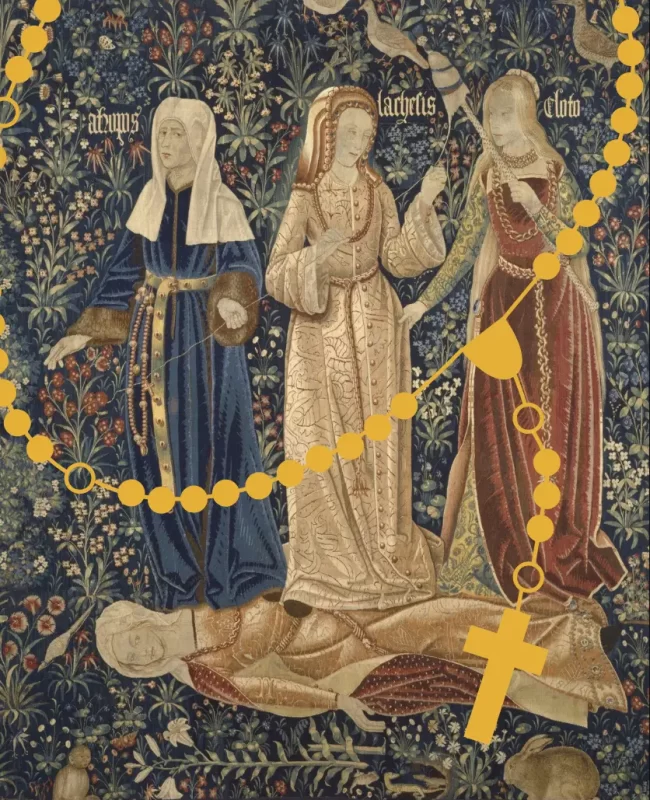
    Purity culture has reemerged in varying forms throughout the cultural history of the United States, adapting to different political moments, media landscapes, and social anxieties. Our project traces how ideals of purity, modesty, sexual restraint, and traditional family values have been used to define who is considered moral, respectable, and worthy of protection

     
     Beginning with the postwar housewife ideal of the 1950s and 1960s, we examine how conservative visions of womanhood positioned domesticity, heterosexual marriage, and motherhood as the foundation of social order. We then consider the backlash and rebellion of the 1970s and 1980s through the Sexual Revolution, feminist organizing, and queer liberation movements. Rather than disappearing, purity culture responded to these shifts by reasserting itself through new political and religious movements. Our project also explores how purity culture is never neutral. It has been shaped by race, gender, sexuality, and class. Through Black feminist critique, we examine how Black women were historically denied the category of “purity” through stereotypes like the Jezebel trope and through medical exploitation
     
     
    We also analyze how purity culture reinforces heteronormativity, homophobia, transphobia, and strict gender binaries by treating heterosexual marriage and reproduction as the only legitimate forms of sexuality and family. Finally, we connect these histories to contemporary trends such as tradwife content, social media aesthetics, pronatalism, and conservative moral politics. By combining historical narrative, critical theory, and our interview with Dr. Mary Hunt from WATER, we argue that purity culture is not only a religious or personal belief system. It is also a political tool that controls bodies, limits autonomy, and disguises power as morality. 
     

    Our project ultimately asks: who gets to be seen as pure, and who benefits from that definition?

     
  • Disabled Immigrants and Avoiding Surveillance in Tech

    Disabled Immigrants and Avoiding Surveillance in Tech

    Disabled Immigrants and Avoiding Surveillance in Tech

    by Anonymous

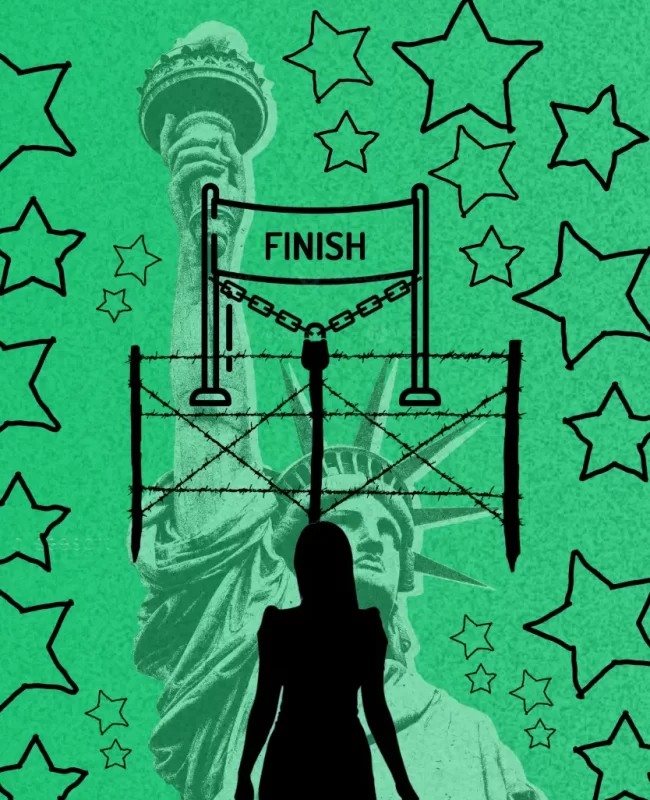
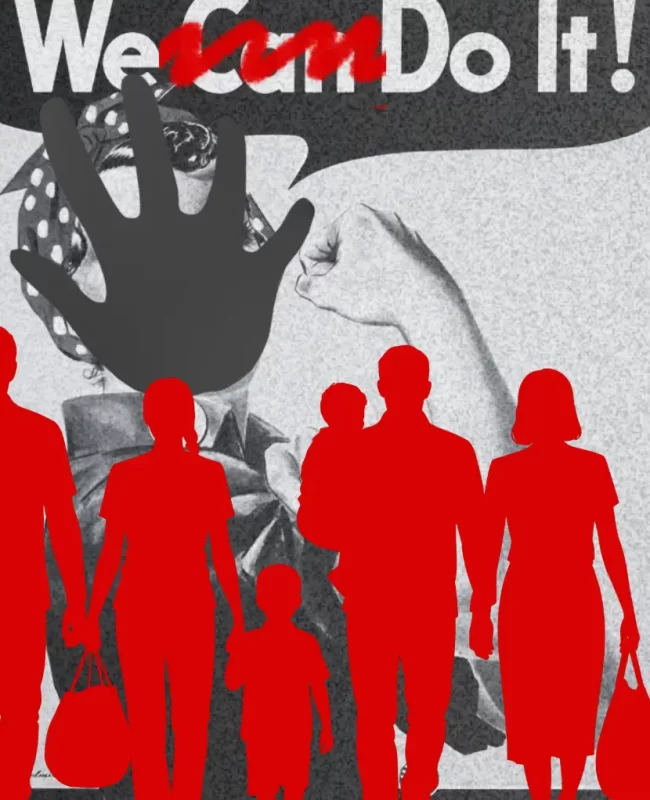
    In our project, we wanted to bring to light how invisible disability is for millions of disabled immigrant women across the US. Our project covered a deep dive into disabled immigrant laws and legal surveillance taken against disabled immigrant mothers.

    This started with an Ellis Island deep-dive, which portrayed disabled immigrant mothers as the highest class of disability and mental degeneracy. Then, we went further into how acts such as the NSEERS movement and the Bracero program inflicted disability against it’s immigrant workers or immigrants seeking transportation. We then looked further into how we can use technology to support disabled immigrant mothers who need access to resources without having their data stolen.

    That’s how we came across this project, which aimed to make easy-to-use and accessible technology that anyone with any piece of technology could run and use to find resources for themselves if they were undocumented. Below is a full description of the project as well as author notes about the steps taken. On more of a technical side, I went out of my way to incorporate automatic translations via this tech framework supplied by an open-source company but it’s not incredibly reliable. I made the website accessible to colorblind and blind people, as well as having screen readers and alt-text wherever was needed. Immigrant violence is popular nowadays due to the actions of ICE, but discrimination against immigrants, specifically disabled immigrant mothers, has long preceded these events. Discrimination against immigrants with disabilities has been present since 1882.

    One of the first major immigrant laws, the Act of 1882, denied entry to any “lunatic, idiot, or any person unable to take care of himself or herself without becoming a public charge.” The government has made it clear that physical and mental disabilities are not important to support. Recent and past government actions have not only denied care to individuals but have also directly resulted in permanent injuries to immigrants. Examples of this include the Bracero Program, ICE, and NCSSER. One of the biggest issues we want to cover is the invisibility of disability. We don’t refer to disabled immigrants as disabled first, but rather as “people-of-color”, “immigrants”, “aliens”, and “non-US-citizens”, all before disability ever becomes a factor. Nationalism and capitalism have caused disability in immigrants to become an invisible topic that isn’t addressed or showcased. The treatment of ICE against disabled immigrants, the generational trauma caused by hiding disability, the inability to receive care for disability due to being an immigrant, and these labels we enforce all hide disability behind a huge wall of difference and othering. This project attempts to bring that disability to light, and hopefully address the long-standing pain in each of these communities by making a website full of toolkits for each community to help deal with these long-standing pains.
  • The Intersection of Goth Subculture and Sex Work: Unpacking a Fetishistic Gaze​

    The Intersection of Goth Subculture and Sex Work: Unpacking a Fetishistic Gaze​

    The Intersection of Goth Subculture and Sex Work: Unpacking a Fetishistic Gaze

    by Ella Greenfield, Brooke Hesslein, Jonathan, Venice Harrison, Mia Udwary, and Tyler Stiefel

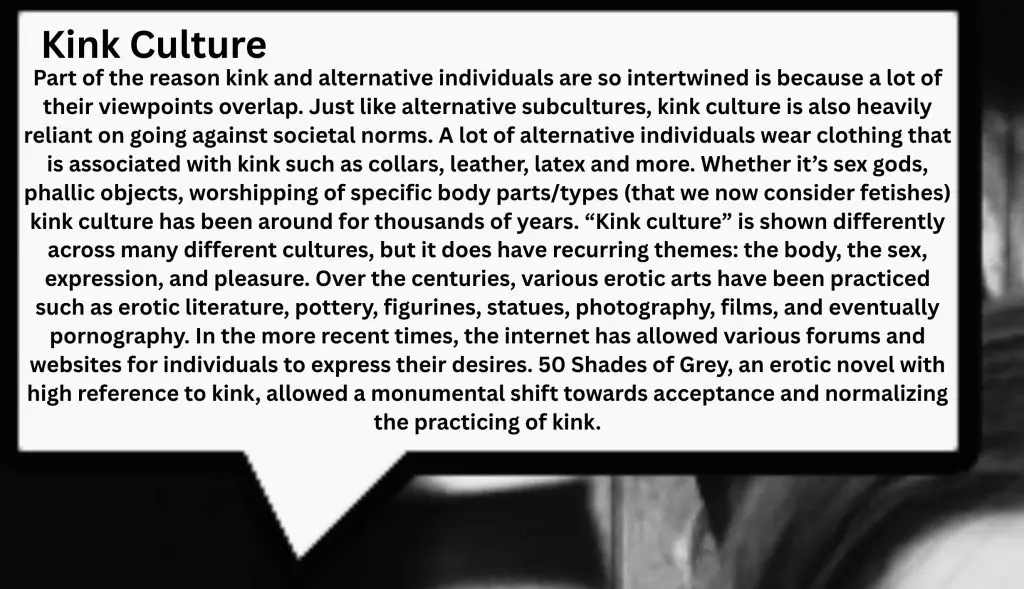
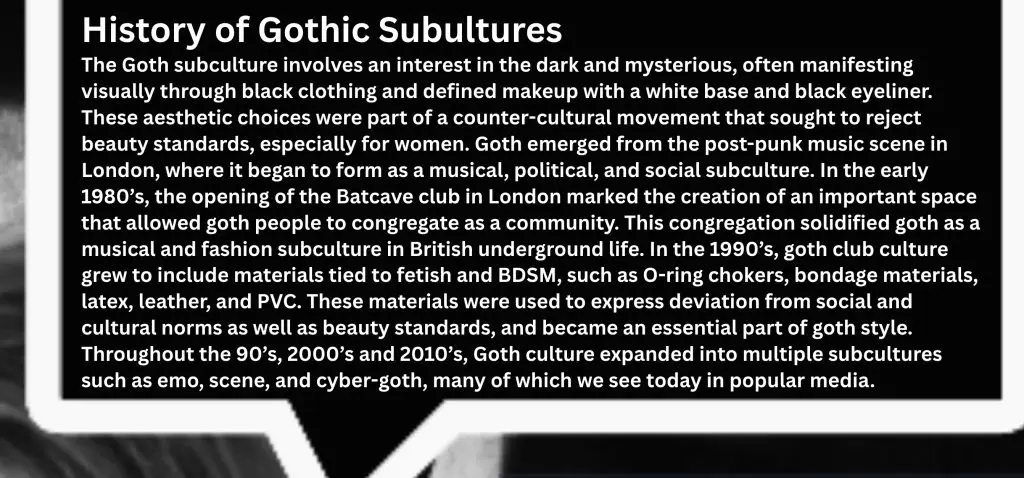
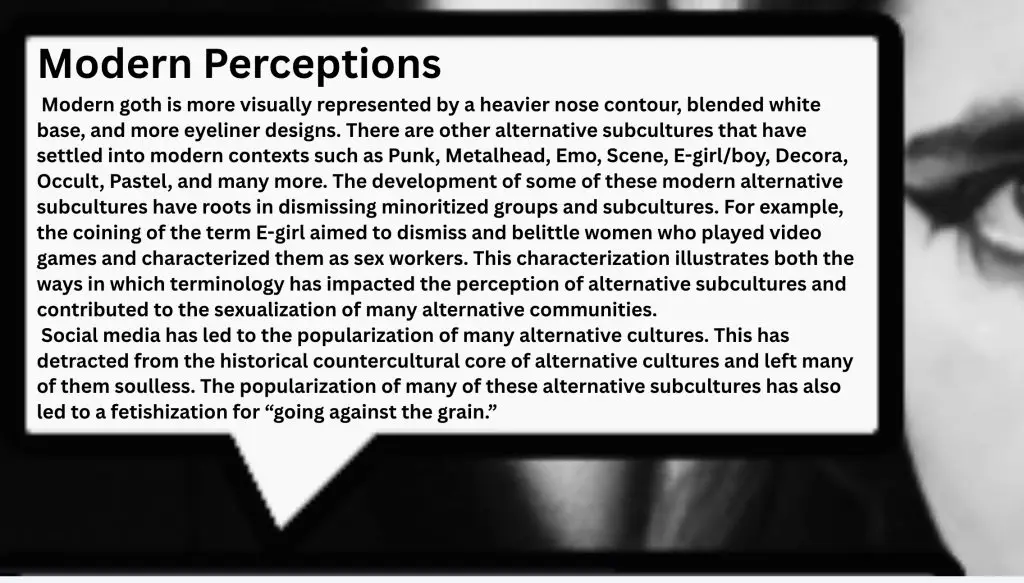
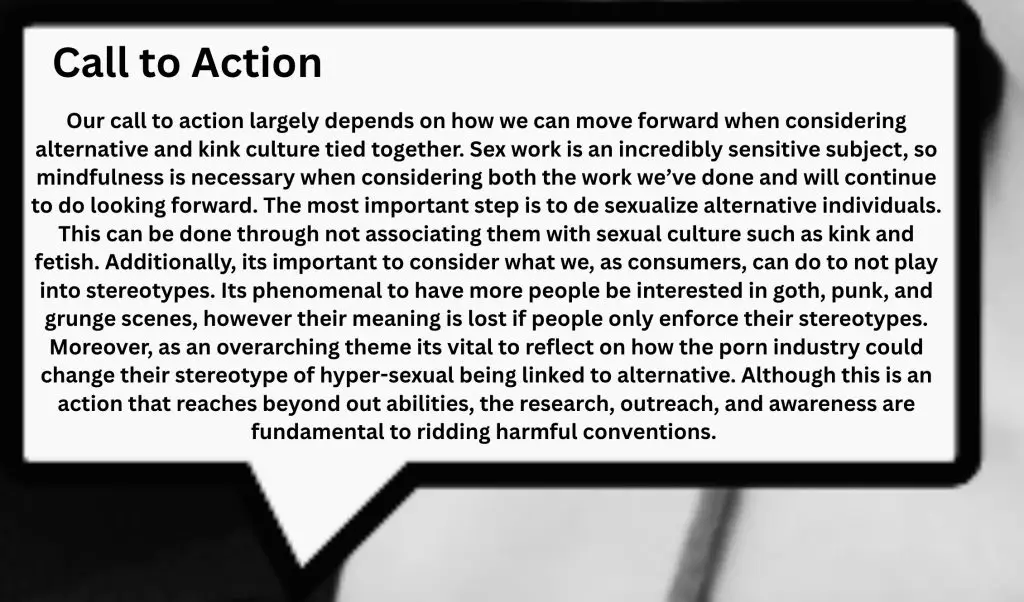
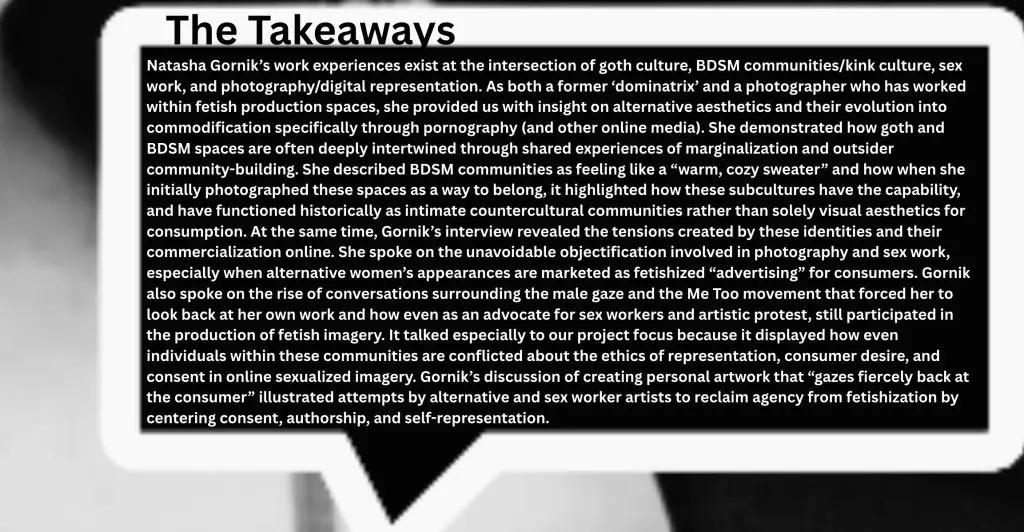
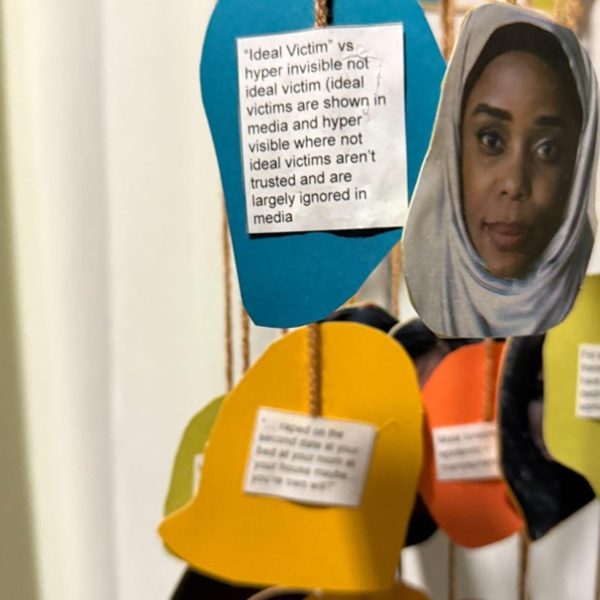
    In this digital poster, we have decided to utilize different forms of media and artistic expression. We aim to bring awareness to the sexualization and commercialization rampant in the perception of alternative communities, while tying those struggles to the online sex industry. We examine how alternative communities are portrayed in sex work whilst unpacking the prejudices of our modern day realities.

    We chose to include different forms of media in our final informational piece, such as makeup, photography and writing to better convey the broad range of experiences embodied by alternative sex workers– we know that our research does not reflect all lived experiences, but hope that it sheds light on larger issues influencing them.

     
    Background artwork by Natasha Gornik. Foreground photograph and composite by the project authors.

    Within our research project, we analyzed histories of alternative communities to steep ourselves in the roots of this culture, read feminist literature on sex work and how fetishization begins, and conducted a massive outreach project to hear firsthand from the communities of alternative sex workers being impacted by rampant fetishization and exploitation within online sex work, as well as organizations built to support the workers whose lived experiences we are interested in.

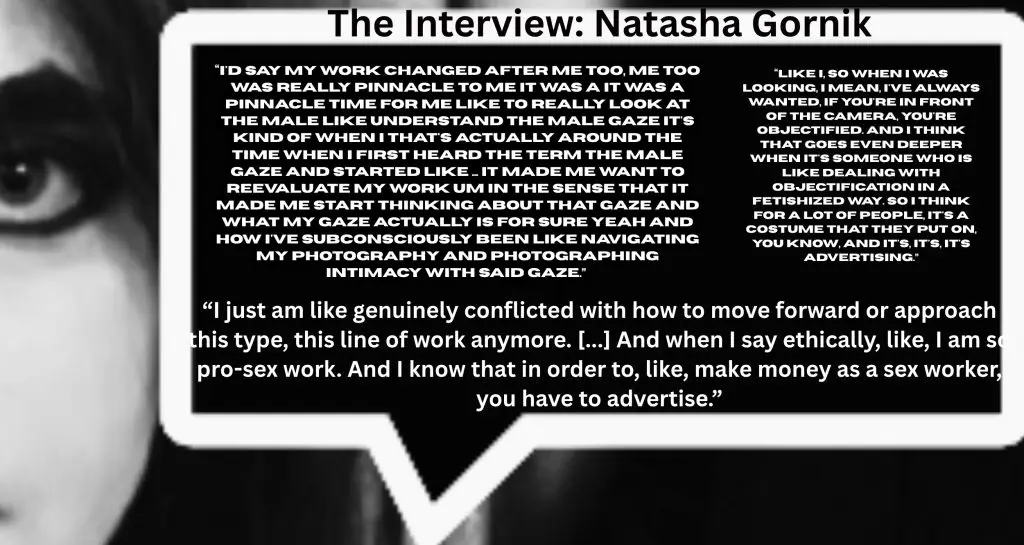
    Our final multimedia infographic reflects that consistent effort, including these valuable explorations, as well as direct quotes from an alternative former-sex worker turned artist, who explores her connection to the alternative community through art depicting kink, within a coalition of former and current sex worker artists. Using these valuable resources, our research has delved into the core causes of rampant hyper-sexualization of alternative people.


    We have come to understand this fetishization as a result of the manipulation of capitalistic societies, which consistently undermine alternative women through rampant degrading speech online and in person– the fetishization of alternative women is a deliberate attempt to undermine communities which have historically stood with disenfranchised communities. The resulting online sexual niche of alternative women is complex, as it reflects both a historic participation in kink culture and a capitalistic fulfillment of the demand for fetishized pornographic content of alternative presenting people, largely women.

    Our resulting multimedia infographic aims to shed light onto these realities while realistically depicting the complex relationship with kink culture and sex work within the alternative community: depicting what empowering sex work looks and does not look like. Our use of alternative makeup styles reflects the commercialization of alternative identities over the past half-century, while our additional pieces of photography contrasting the makeup represent abstract depictions of sexualization. We hope that these images, as well as the information we share will create greater widespread understanding of both the complexities of sex work and the historical disenfranchisement of alternative women. We look forward to seeing the ways in which the Claremont Consortium and future feminist scholars engage with and experience this piece, and we hope that it will allow for richer future dialogues of alternative identities and how fetishistic attitudes are created.

     
  • Never Neutral: Unmasking Hidden Bias in AI Aesthetics

    Never Neutral: Unmasking Hidden Bias in AI Aesthetics

    Never Neutral: Unmasking Hidden Bias in AI Aesthetics

    by Anonymous

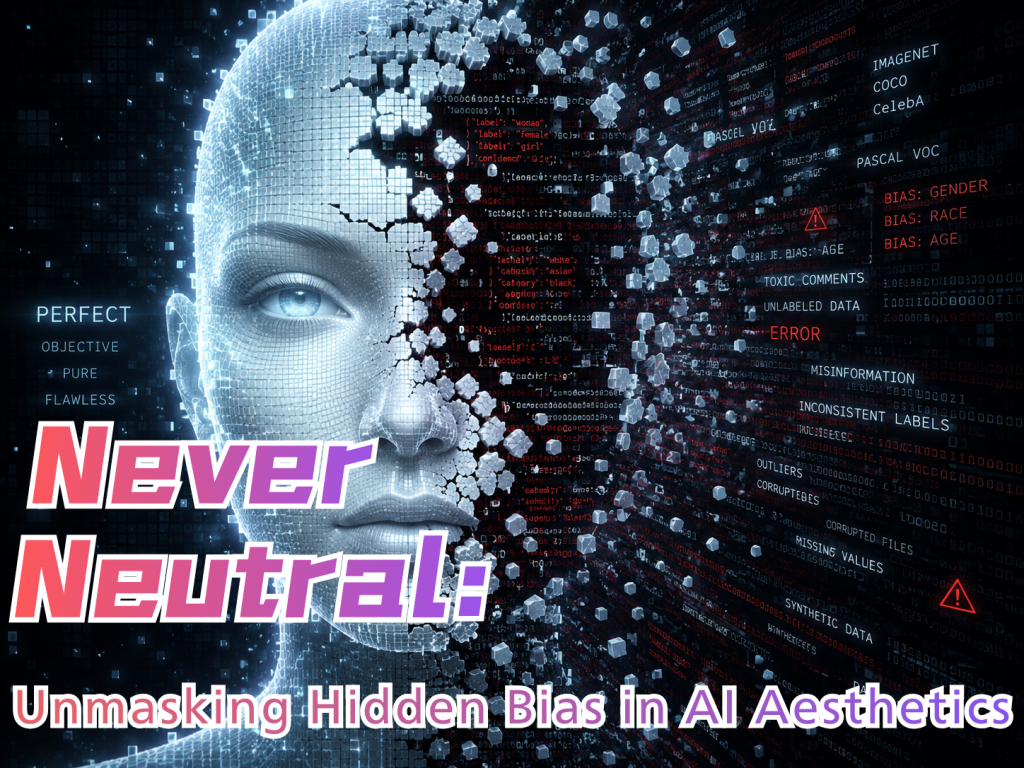
    While many people believe that Artificial Intelligence are objective as machines, our research shows that AI restricts beauty standards in the data used to train it. When generating images of women, AI often repeats and strengthens narrow aesthetic prejudices. This process constructs a “default” version of femininity and organizes who is valued and who is pushed to the margins of society. We utilized an AI Face Generator library on Github to test how image models respond to specific prompts and default settings. (https://github.com/pranavkvgit/AI-Face-Generator )

    From a visual perspective, AI models often default to Eurocentric beauty norms, such as lighter skin and slim bodies, while frequently missing black women or sexualizing Asian women. To understand the technical cause of this, we interviewed an AI image trainer who explained that these AI models do not follow moral rules. Instead, they learn through mathematical correlation. Because popular images in magazines and online are dominated by light-skinned subjects, the AI builds a link between beauty and those specific features. While Black women are frequently missing from these outputs, Asian women are often subjected to sexualization that reduces their complex identities to eroticized implication. Those visual objectifications are a direct form of disempowerment. It deprive minority groups of their individual and replaces their authentic voices with biased digital caricatures. The algorithmic bias has real-world consequences that lead to the loss of right of minority groups. When the mainstream aesthetic ideology is the only thing the data repeats, minority groups are systematically erased from the templates of our future.

    We draw inspiration and theoretical support from several key sources. Organizations like the Concept Art Association highlight how AI models often scrape data without consent. Their work parallels our concern regarding the loss of agency for minority groups. Our project supports legislative action like AB 412, the AI Transparency Copyright Act. This bill requires AI developers to be transparent about their datasets. This act has passed the California State Assembly. We believe that only through transparency and active intervention can we challenge a single aesthetic and ensure that technology serves everyone fairly. We encourage everyone to reflect on who is missing from the images AI creates and to consider the responsibility of developers in building a future that serves all of humanity, not just those already in power.

  • Domestic Violence In Latin American Immigrant Cultures

    Domestic Violence In Latin American Immigrant Cultures

    Domestic Violence in Latin American Families

    By Samantha Fornaris, Sofia Malhas, and Sophia Gonzalez

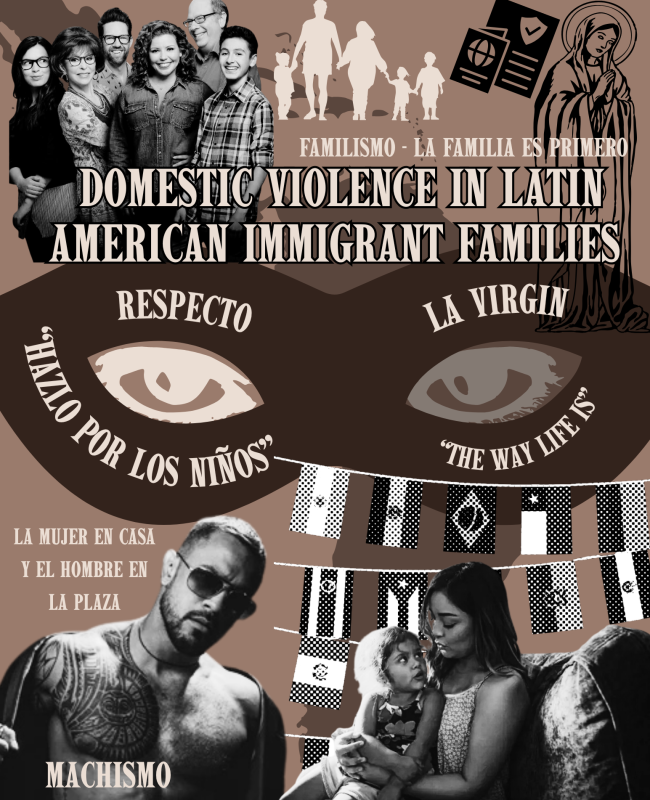
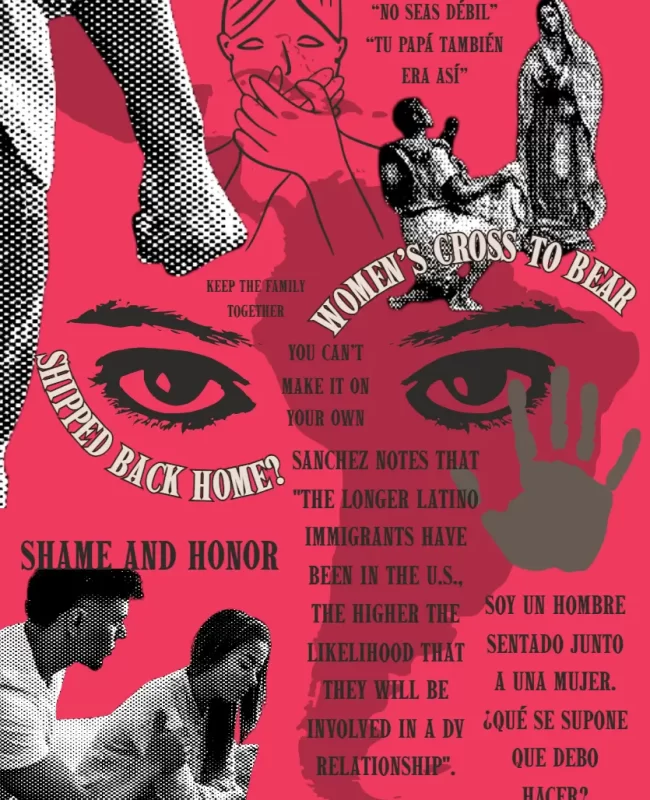
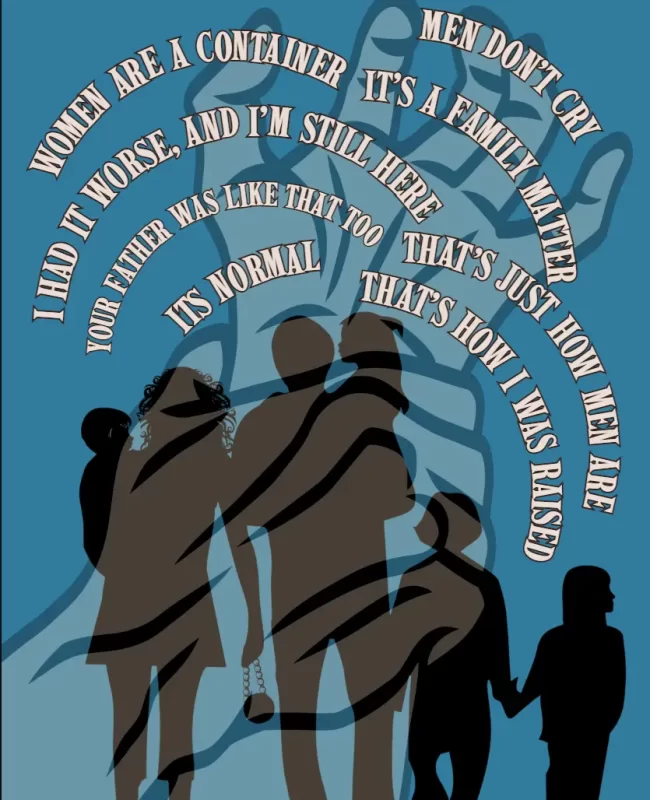
    This project looks at how domestic violence gets normalized in Latin American immigrant communities, specifically through three areas we kept coming back to in our research:

    1. Immigration and power
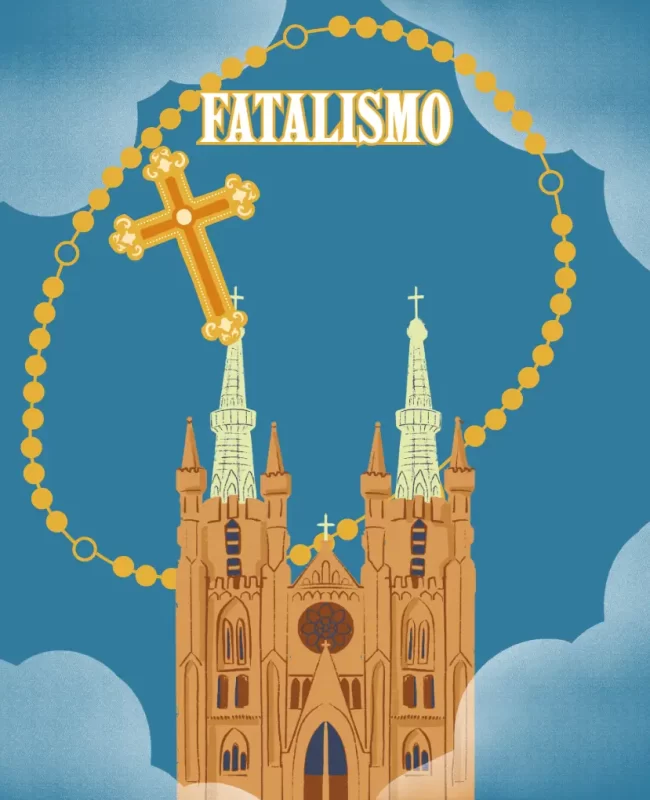
    2. Religion
    3. Masculinity.
    Our overall argument is that domestic violence in these communities is not just “part of the culture”, it is the result of a lot of overlapping pressures and systems that, when you look closely enough, can actually be understood and challenged.

    Each of us took on a different area of focus. We looked at how the immigration experience can take away a person’s sense of status and power, and how that loss sometimes shows up as violence at home. When someone who was respected in their home country suddenly finds themselves at the bottom of American society, the household can become the one place they feel like they can be in control.

    We also looked at religion, especially Catholicism, and how certain teachings around marriage, forgiveness, and the role of women can make it really hard for survivors to leave. Ideas like staying for the family or treating suffering as something noble can keep people stuck in dangerous situations.

    And finally we looked at masculinity and machismo. How rigid ideas about what it means to be a man get passed down through families, music, and media, and how those ideas can normalize control and violence in relationships.

    When you put all three of these together, it becomes clear that domestic violence in these communities is not caused by any one thing. It is the result of migration stress, religious influence, gender norms, and racial marginalization all working together.

    We pulled from a range of sources across sociology, psychology, gender studies, and cultural studies. This included peer-reviewed articles, qualitative research based on the real experiences of immigrant Latinx men and survivors, and an analysis of popular Latin music and film.

    Some of the main theoretical frameworks we used were Kleinian object relations theory, which helped us understand how men can project insecurity onto their partners as a way to feel in control; Critical Race Theory, which pushed us to think about domestic violence as connected to larger systems of racism and marginalization; segmented assimilation theory, which looks at how the immigration experience shapes behavior and identity in ways that are not always straightforward; and socioecological modeling, which helped us identify risk factors at the individual, community, and societal levels.

    Recommended Texts & Sources:

    Mirandé, A. (1997). Hombres y Machos: Masculinity and Latino Culture — a really important text that pushes back against the idea that Latino masculinity is inherently violent or pathological.

    Sanchez, D. (2014). Beyond Machismo: A Theoretical Exploration of Domestic Violence in Latino Men — great for understanding the psychological and structural roots of intimate partner violence among Latino men.

    Menjívar, C. & Salcido, O. (2002). Immigrant Women and Domestic Violence — covers how things like legal status, language barriers, and isolation make immigrant women especially vulnerable.

    Hass, G., Ammar, N., & Orloff, L. (2006). Battered Immigrants and U.S. Citizen Spouses — really eye-opening on how immigration status gets used as a tool of abuse and control.

    Da Silva, E. et al. (2018). Marianismo Beliefs, Intimate Partner Violence, and Psychological Distress — helpful for understanding how internalized gender roles affect how Latina survivors experience and respond to abuse.

    Jimenez, A. (2017). Machismo Hurts Men Too — a spoken word piece that brings a lot of this research to life from a personal, community perspective.

  • Militarized Sexual Violence in Imperial Japan: The Comfort Women Issue

    Militarized Sexual Violence in Imperial Japan: The Comfort Women Issue

    Militarized Sexual Violence in Imperial Japan: The Comfort Women Issue

    by Anonymous

    For our project we created a syllabus to be used in a college course on militarized sexual violence in Imperial Japan.

    This issue is extremely under taught and many survivors were silenced for the majority of their lives. We wanted to bring this issue to a college setting that can be replicated in universities across the world. We provided specific readings for each week that explore different topics and spark critical conversations.

    Overview

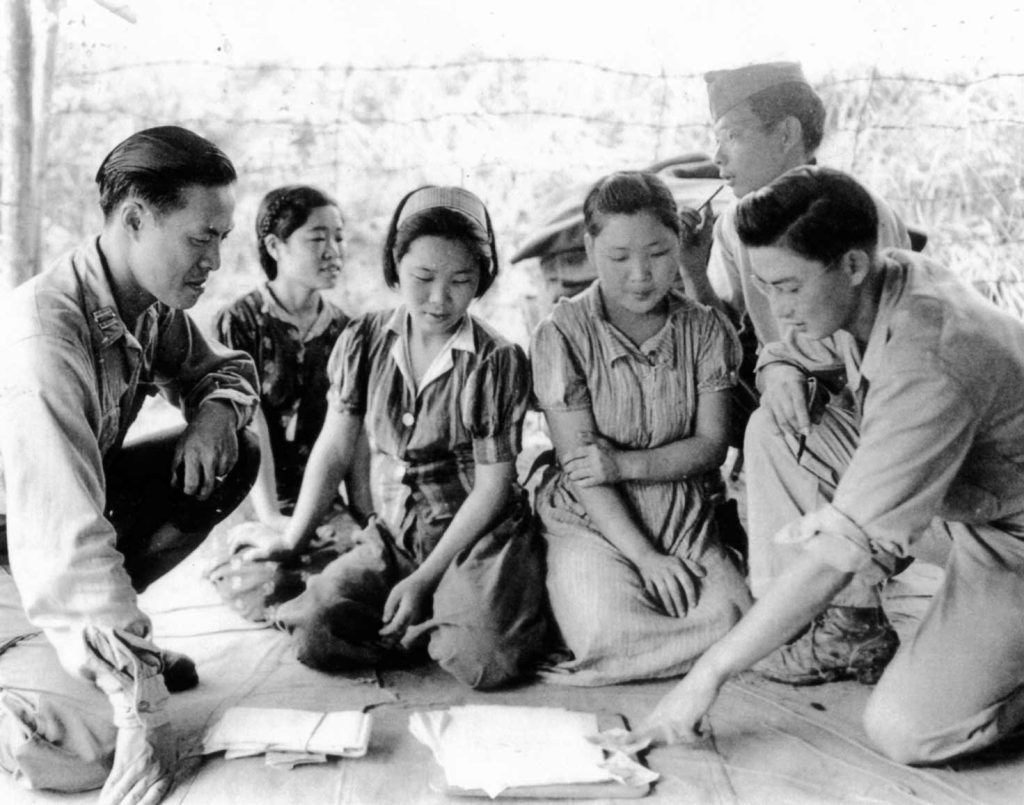
    Starting during World War II, the Japanese military implemented the largest case of militarized sexual slavery ever recorded. Hundreds of thousands of Korean girls and young women were forced from their homes where they were then raped, beaten, and abused by Japanese soldiers. Some were forced to serve 50-60 men per day, and those who tried to escape were tortured publicly to set an example for others.

    Impacts

    The abuse that comfort women endured created lifelong trauma, including high rates of infertility, PTSD, and chronic depression. Some studies suggest that the effects of this trauma are passed down generationally through epigenetics. Exposure to stress can alter expression of certain genes that affect stress regulation, which is then passed down to offspring. Many survivors also feel a strong sense of shame about their past, causing them to stay quiet about their experiences. Additionally, symptoms of trauma can be unintentionally passed down through the parenting methods of trauma survivors, namely parental modeling of guilt, which leads to feelings of shame and guilt in children.

    Activism

    Starting in the 1990s, survivors began to come forward and share their experiences. Several women have testified in front of the US House of Representatives about the abuse they suffered, and urged the Japanese government for a formal apology. Since then, many movements have emerged to advocate for the topic. The organization CARE is involved in advocacy and activism in both the United States and South Korea and has urged the Japanese government to take legal responsibility for the abuse they perpetrated. They have also created curriculum outlines to teach about the history of comfort women in California public high schools.
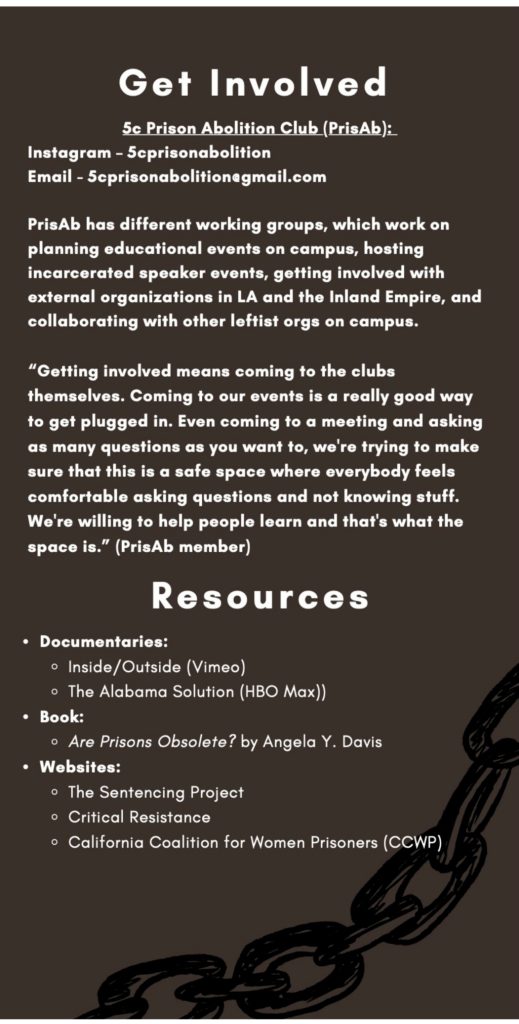
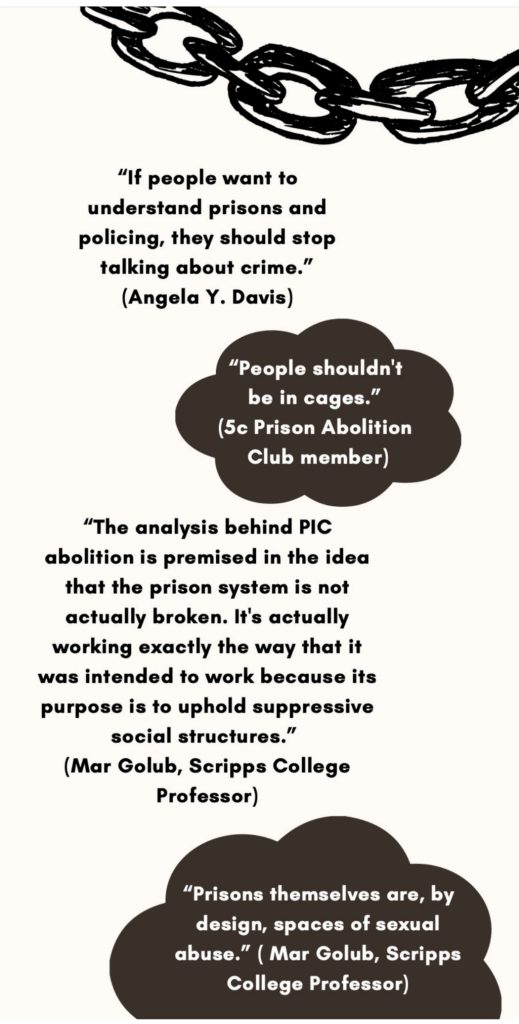
  • The Prison Industrial Complex (PIC) and Why PIC Abolition Is Critical

    The Prison Industrial Complex (PIC) and Why PIC Abolition Is Critical

    The Prison Industrial Complex (PIC) and Why PIC Abolition Is Critical

    by Ruby Ching, Violet Brindis-Reich, Cece Li, and Libby Hansen

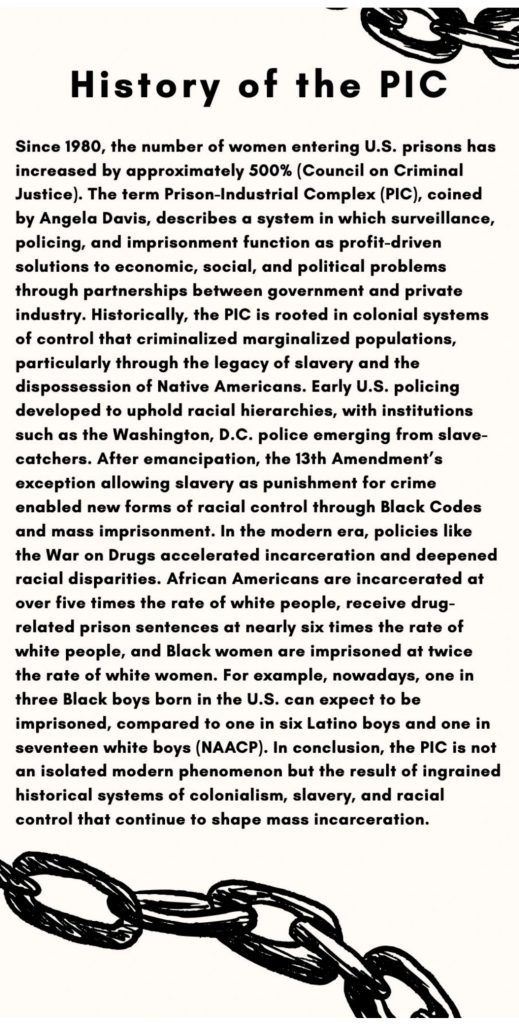
    The term “Prison Industrial Complex” (PIC) was coined by Angela Davis to describe the overlapping interests of government and industry that use surveillance, policing, and imprisonment as solutions to economic, social, and political problems, all for profit.

    The prison industrial complex is deeply intertwined with colonialism, both through the direct continuation of colonial-era social control tactics and the development of new systems that criminalize colonized populations. This is most evident through the legacy of slavery and the systemic dispossession of Native Americans in this country.

    Currently, the prison industry in America continues to disproportionately impact minority groups on the basis of race and gender. The prison industrial complex is a capitalistic machine that continues to profit off of individuals who are incarcerated, off of the exploitative labor of those individuals, and the continued emphasis on for-profit prisons, as opposed to social justice minded rehabilitation programs.

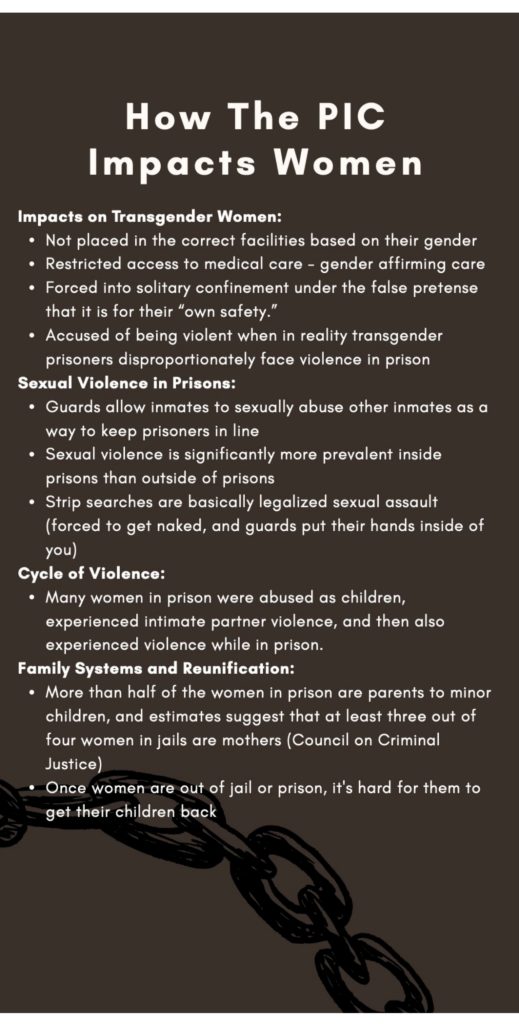
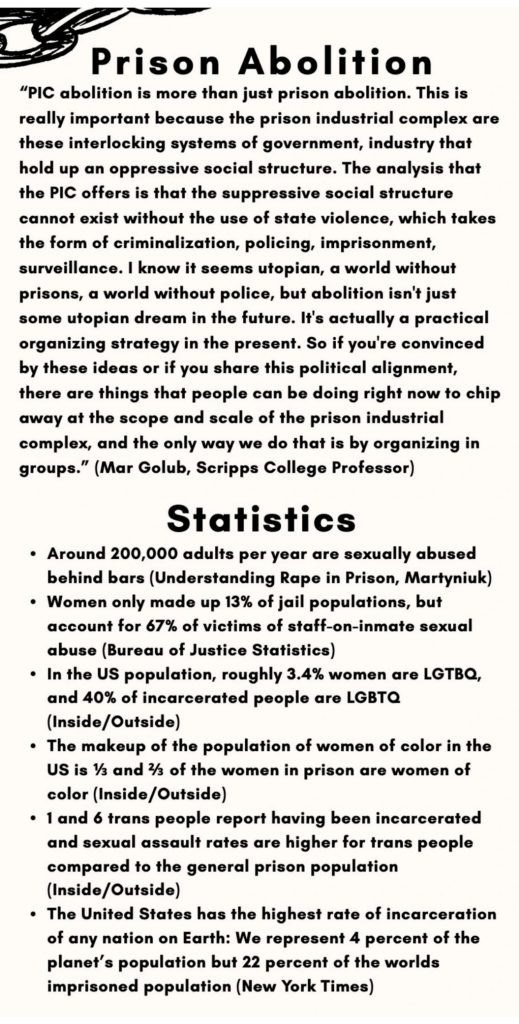
    The population of women in prisons is continually rising. According to the Human Rights Watch the number of women entering U.S. prisons has risen by nearly four hundred percent since 1980, which is double the incarceration rate increase of males. Every single woman in prison is at risk of experiencing gender-based violence, sexual abuse, and rape. To put this into perspective, roughly 200,000 adults are sexually abused behind bars every year in the U.S. Additionally, a report from the Bureau of Justice Statistics (BJS) covering the years of 2009 to 2011 found that while women made up only 13% of the jail population, they accounted for 67% of the victims of staff-on-inmate sexual abuse. Through this educational zine, we hope to educate our community on these issues and how we can all be a part of the abolition of the prison industry. ​

  • Portrayal of Various Groups of Sexual Assault Survivors on Social Media

    Portrayal of Various Groups of Sexual Assault Survivors on Social Media

    Portrayal of Various Groups of Sexual Assault Survivors on Social Media

    by Anonymous

    Sexual assault is a serious problem in society and with the globalization of social media, it has only become worse. As college students, and thus a part of the most vulnerable populations to sexual assault, we wanted to research sexual assault and its portrayal on social media. We looked at:

    1: Who was most often affected by sexual assault

    2: Whose stories were prioritized in the media (and whose were not)

    3: How the media spread these stories and manipulated them

    4: How victims are often blamed for their assaults after sharing their stories.

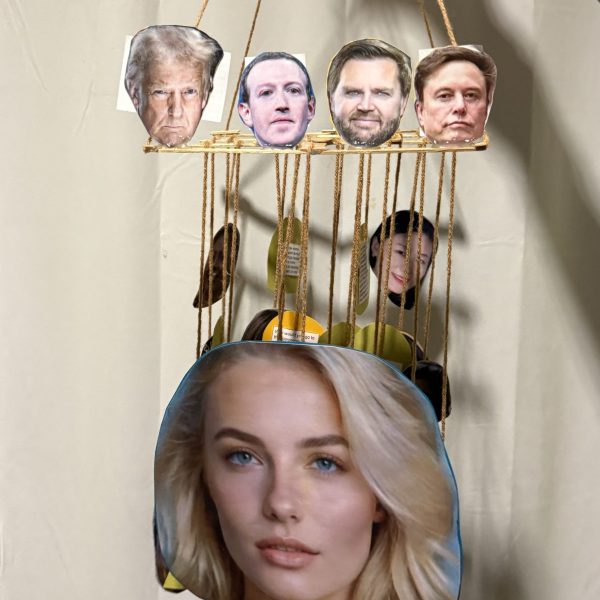
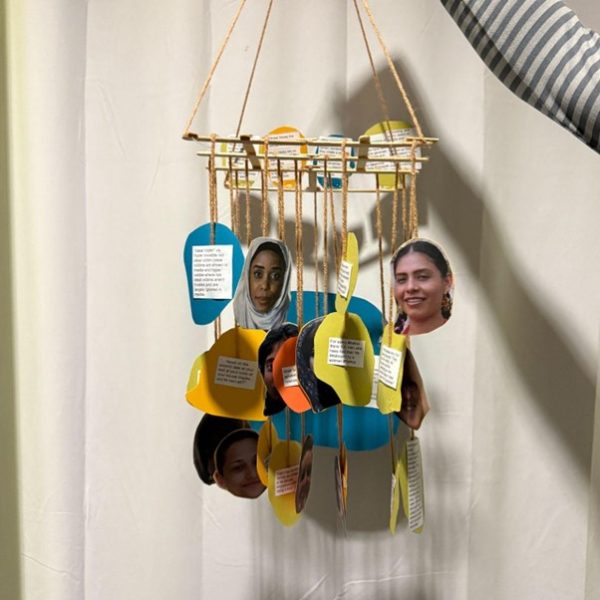
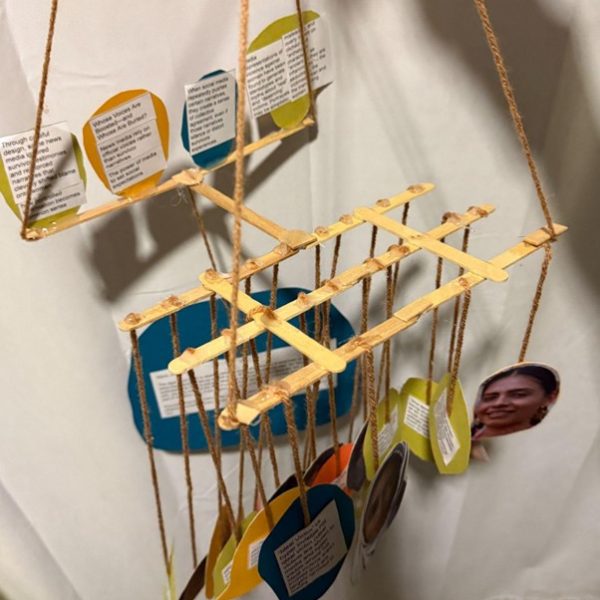
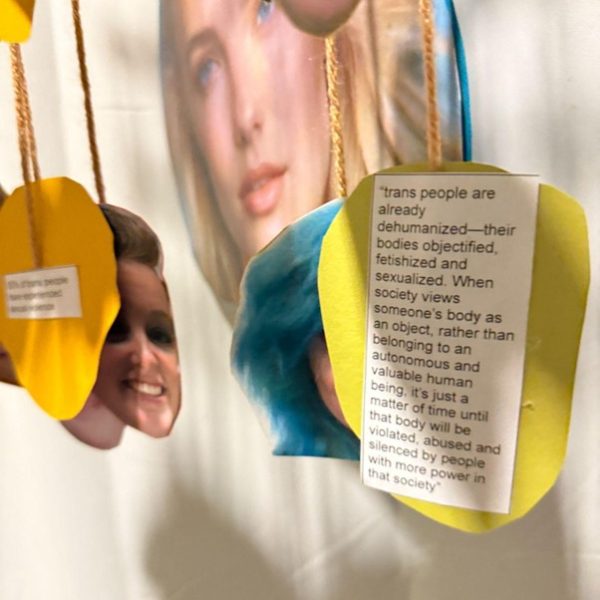
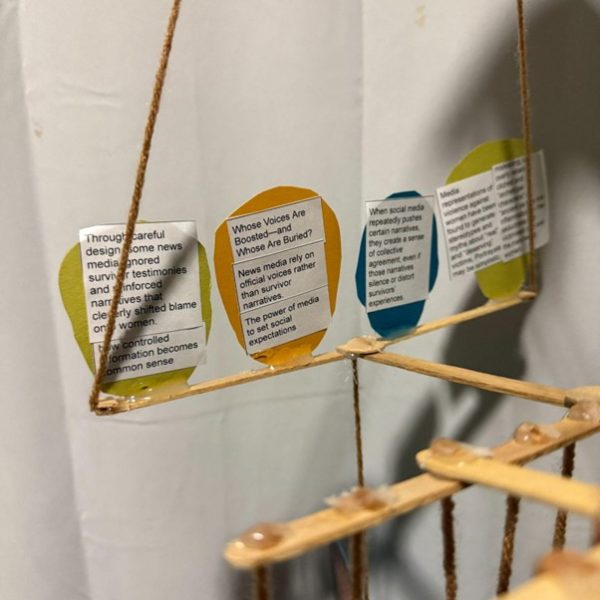
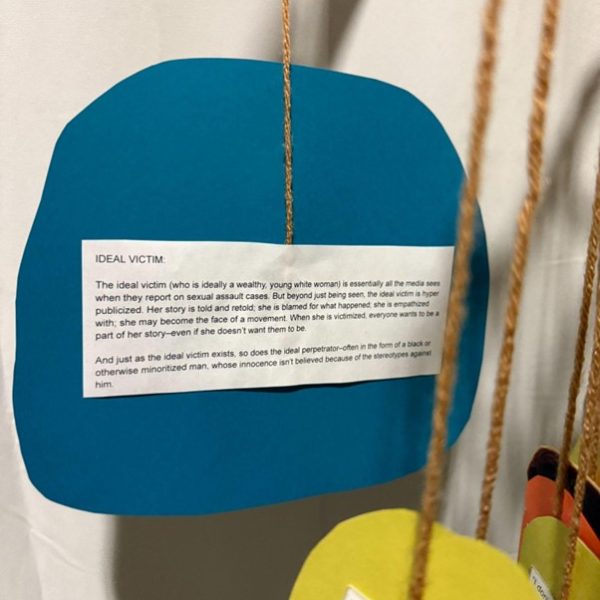
    We created a mobile that physically represents the portrayal of sexual assault survivors in the media and the hierarchy that is present. Within this mobile there are five aspects: the men who control social media, the ideal victims portrayal on social media, BIPOC victims portrayal on social media, LGBTQ+ victims portrayal on social media, and the victim blaming that all survivors face. ​

  • Development of Male Contraception

    Development of Male Contraception

    Development of Male Contraceptives

    by Anonymous

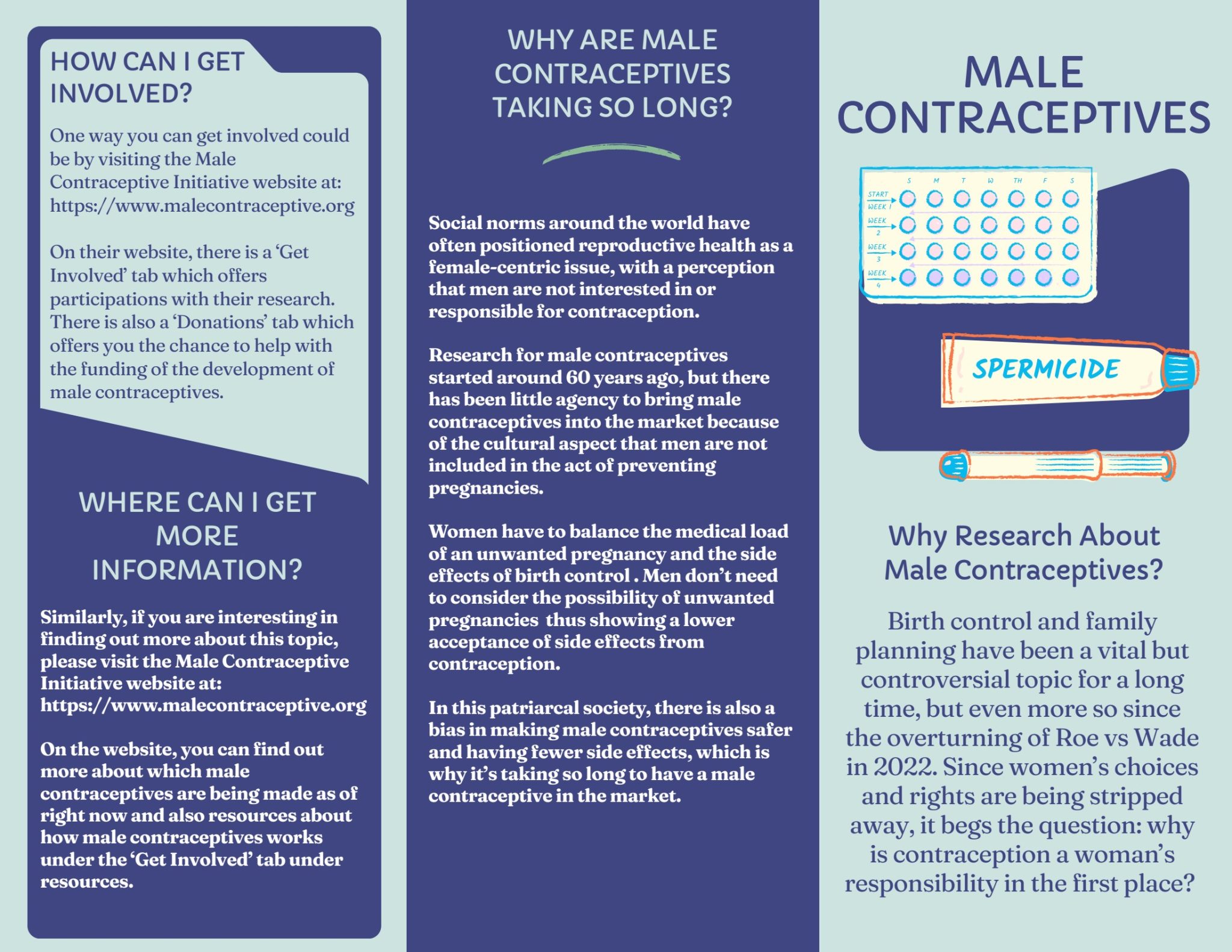
    Birth control and family planning have been a vital but controversial topic for a long time, but even more so since the overturning of Roe vs Wade in 2022. Since women’s choices and rights are being stripped away it begs the question:

    Why is contraception a woman’s responsibility in the first place?

    Historically, contraception has been used for eugenics and ethnic cleansing. Essentially it was also used to control women’s bodies, just in the opposite direction as the modern day. There are still many places, particularly border control facilities, that use forced sterilization and exploit contraception, but birth control as a whole has mostly a positive connotation now.

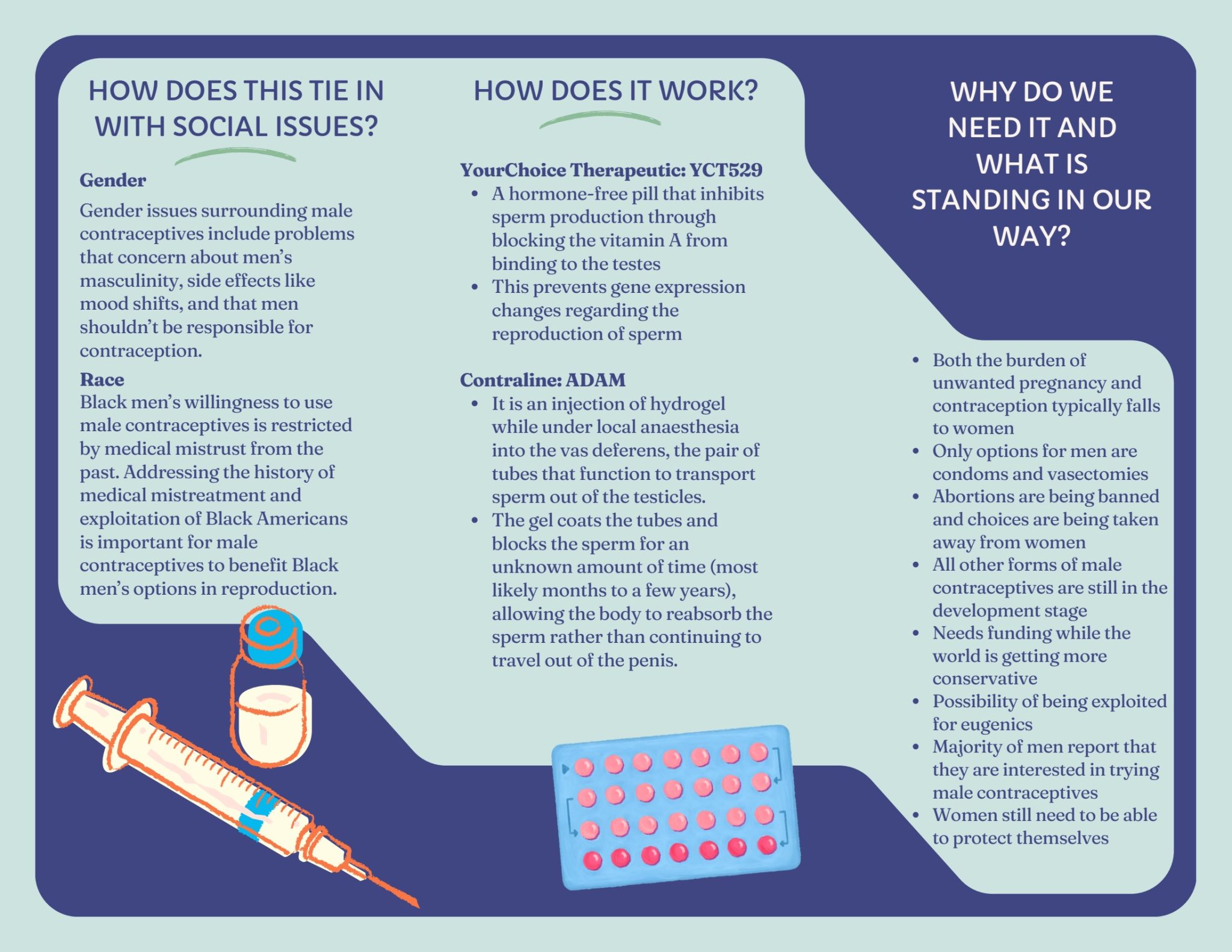
    However, it is still extremely outdated. Most forms of contraception either are not very effective or have a lot of unwanted side effects, and people with male anatomy only have two options; condoms or a vasectomy.

    It is important that men at least share the responsibility of contraception since women bear the full burden of pregnancy and often the majority of labor and time that goes into raising a child.

    There is demand for male contraceptive options, but not much funding, and the world is becoming more conservative, putting many scientific discoveries, especially those that are more progressive, at risk. Despite all of these issues, there are a few companies with products in development, two of them being in the final stages of clinical trials. One is an oral pill that stops sperm production, and the other is an injection of gel that prevents sperm transport. ​

  • Art as Resistance to Gender-Based Violence through the Films of Iran, India, and the United States ​

    Art as Resistance to Gender-Based Violence through the Films of Iran, India, and the United States ​

    Art as Resistance to Gender-Based Violence through the Films of Iran, India, and the United States

    by Chloe Mossey, Betania Demisse, Millie Magnolia Treadwell, and Manya Ganapathy

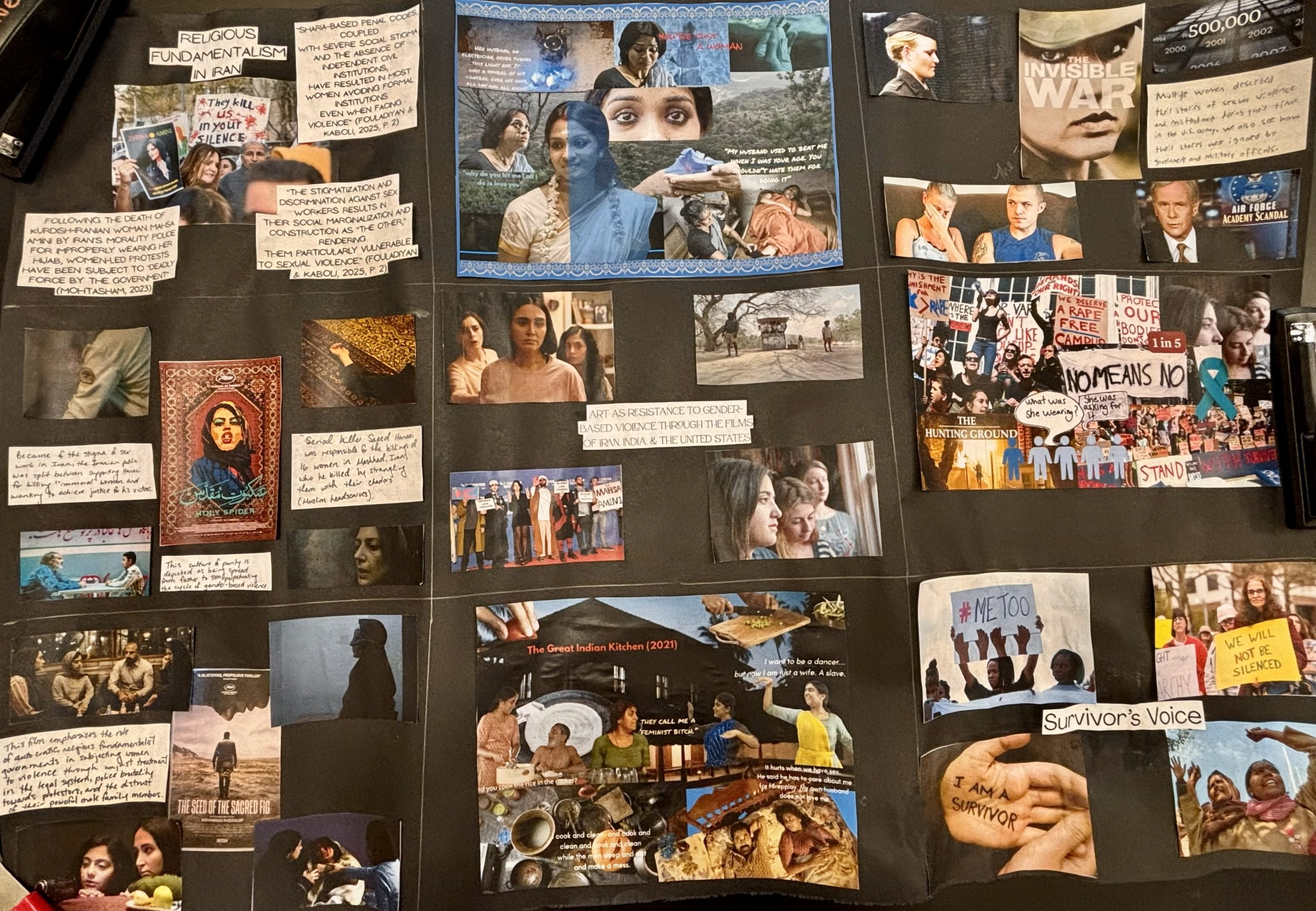
    In our collage, we aimed to educate our peers about the unique feminist issues that extend beyond western perspectives, as well as underscore the role of film in shaping foreign audiences’ perspectives on these issues.

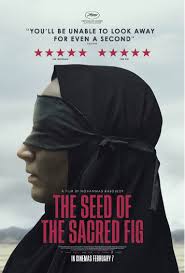
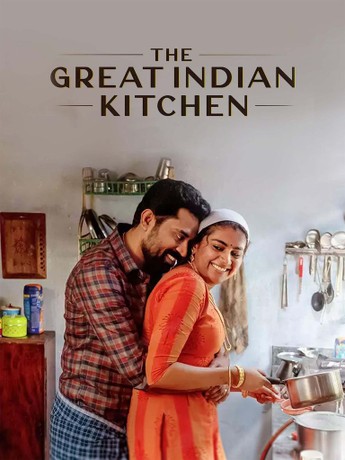
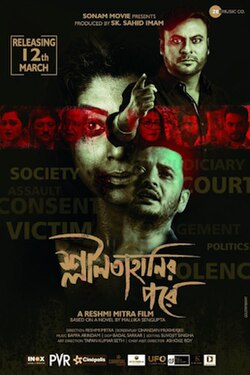
    We watched, analyzed, and placed into conversation the films: The Seed of the Sacred Fig and Holy Spider from Iran, Pebbles, The Great Indian Kitchen, and Sleelatahanir Pore from India, and The Hunting Ground and The Invisible War from the United States.

    The issues of religious fundamentalism, protests against autocratic governance, and the voices of survivors of gender-based violence frequently exist in isolation from one another. Because our project highlights the ways in which women across the world empower themselves against unique forms of violent oppression, we are able to foster a greater appreciation for feminisms beyond the United States as well as appreciation for the artistic outputs of diverse filmmakers.

    By focusing on the most emotionally impactful frames of each of our films (i.e. artful cinematography, expressive acting/interviews), we demonstrate the empathetic power of film that supersedes short-form media and extends beyond political divisions. We found that through our focus on visuals, we could express the feelings of women across India, Iran, and the United States and promote empathy and open-mindedness that could be the start of research pursuits for many individuals. Placing issues that are unknown to many of the students of the Claremont Consortium in conversation with one another through collage helped us to better understand the similarities of both patriarchies and feminist movements across the world.


    Beyond understanding the similarities between these nations’ feminist issues to foster greater empathy, our highlighting of the legacies of colonialism and its consequences in Iran and India helps bring in a new anti-colonial perspective on feminism. Conflicts between colonial hierarchies in India and Iran and traditional social norms (i.e. colorism, rejection of secular social structures) are foreign to many western audiences, and film can be the empathetic medium that sparks greater understanding and curiosity about these issues.

    Our hope is that students of the Claremont Consortium from various areas of study (i.e. media studies, international relations, politics) can grow from our synthesis of global feminist issues. In an era of rising global conservatism and the use of social media for promoting activist pursuits, we hoped to highlight the importance of film analysis, starting with ourselves.

    References

    Abbasi, A. (Director). (2022). Holy Spider [Film]. Profile Pictures; One Two Films.


    Baby, J. (Director). (2021) The Great Indian Kitchen [Film]. Dhoomam Films. Dick, Kirby. “The Hunting Ground.” IMDb, 2015, www.imdb.com/title/tt4185572/.


    Dick, Kirby. (Director). (2012) The Silent War [Film]. Profile Pictures; One Two Films.


    Fouladiyan, M., & Kaboli, A. (2025). Experience of violence perception among Iranian female sex workers and their strategies in confronting violence. Women’s Studies International Forum, 111, 103127. https://doi.org/10.1016/j.wsif.2025.103127


    Mitra, R. (Director). (2021). Sleeletahanir Pore [Film]. Mohtasham, D. (2023, January 4). A man killed women he deemed ’immoral’—An Iranian film fictionalizes the story. NPR.


    Rasoulof, M. (2024). The seed of the sacred fig [Film; alternately Germany/Iran/France]. Produced by Mohammad Rasoulof, Amin Sadraei, Jean-Christophe Simon, Mani Tilgner, & Rozita Hendijanian.


    Sharma, N. (n.d.). ‘Woman, life, freedom’: What the mahsa amini protests signify for iranians – the retriever. Retrieved December 9, 2025, from https://retriever.umbc.edu/2022/10/woman-life-freedom-what-the-mahsa-amini-protests-signify-for-iranians/


    Vinothraj, P. S. (Director). (2021). Pebbles [Film]. (Nayanthara, Vignesh Shivan, K. S. Mayilvaganan).

    External image links:

    https://www.nytimes.com/2018/09/18/business/mcdonalds-strike-metoo.html (me too movement)

    https://baltimorefishbowl.com/stories/maryland-protesters-tell-trump-and-musk-to-keep-hands-off-their-communities/ (we will not be silenced)

    https://www.upbeacon.com/article/2018/10/sexualassaultsurvivor (I am a survivor)

    https://www.genderanddevelopment.org/uncategorized/feminist-protests-and-politics-in-a-world-in-crisis-our-new-issue/ (feminist protest)