
The History of Medical Reproductive Injustice in the United States: The Exploitation of Black and Indigenous Women
by Ronan Kiernan-Johnson, Rosa Graham, Sophie Callahan, Yuan Li, and Lauren Lee
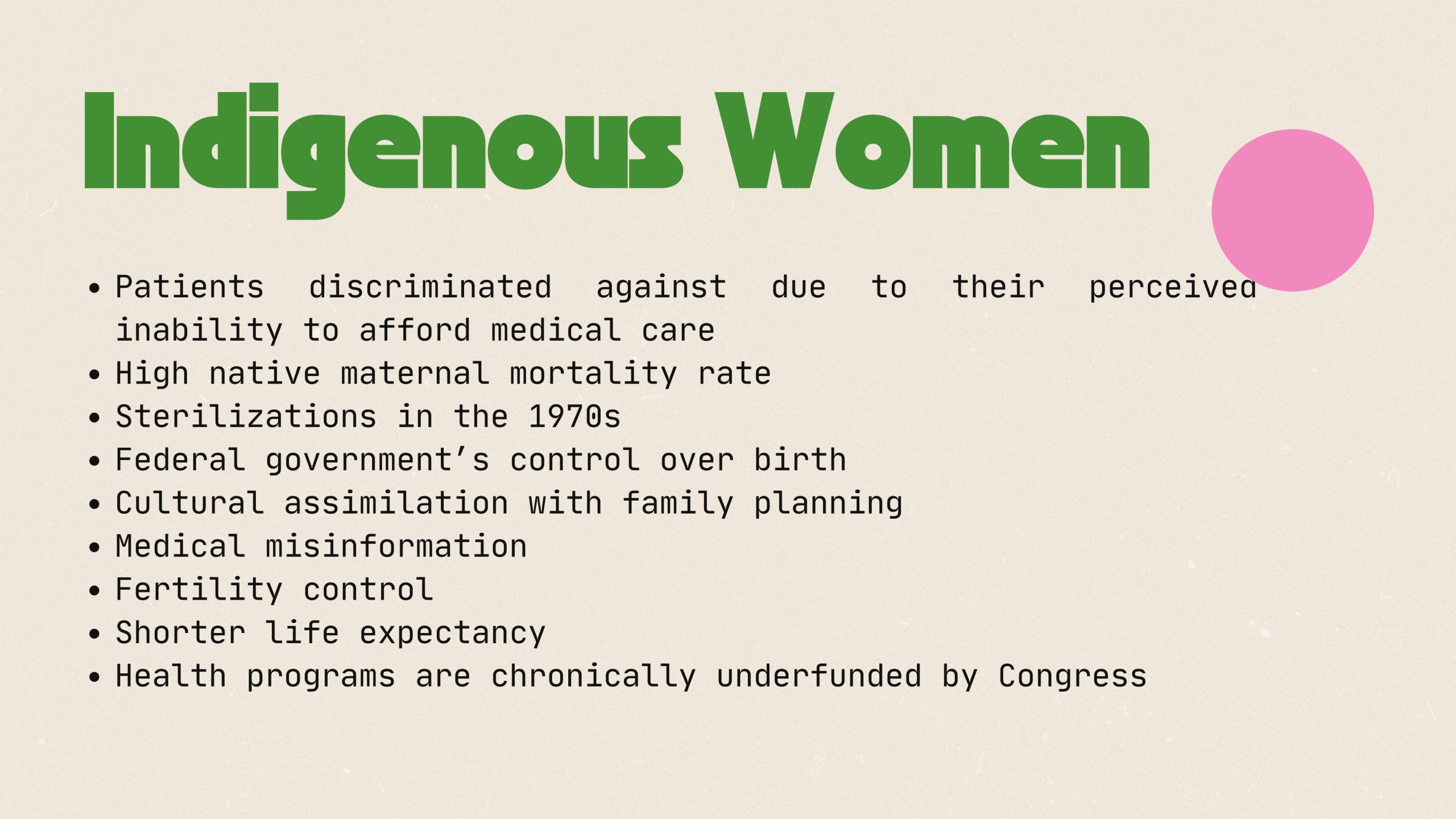
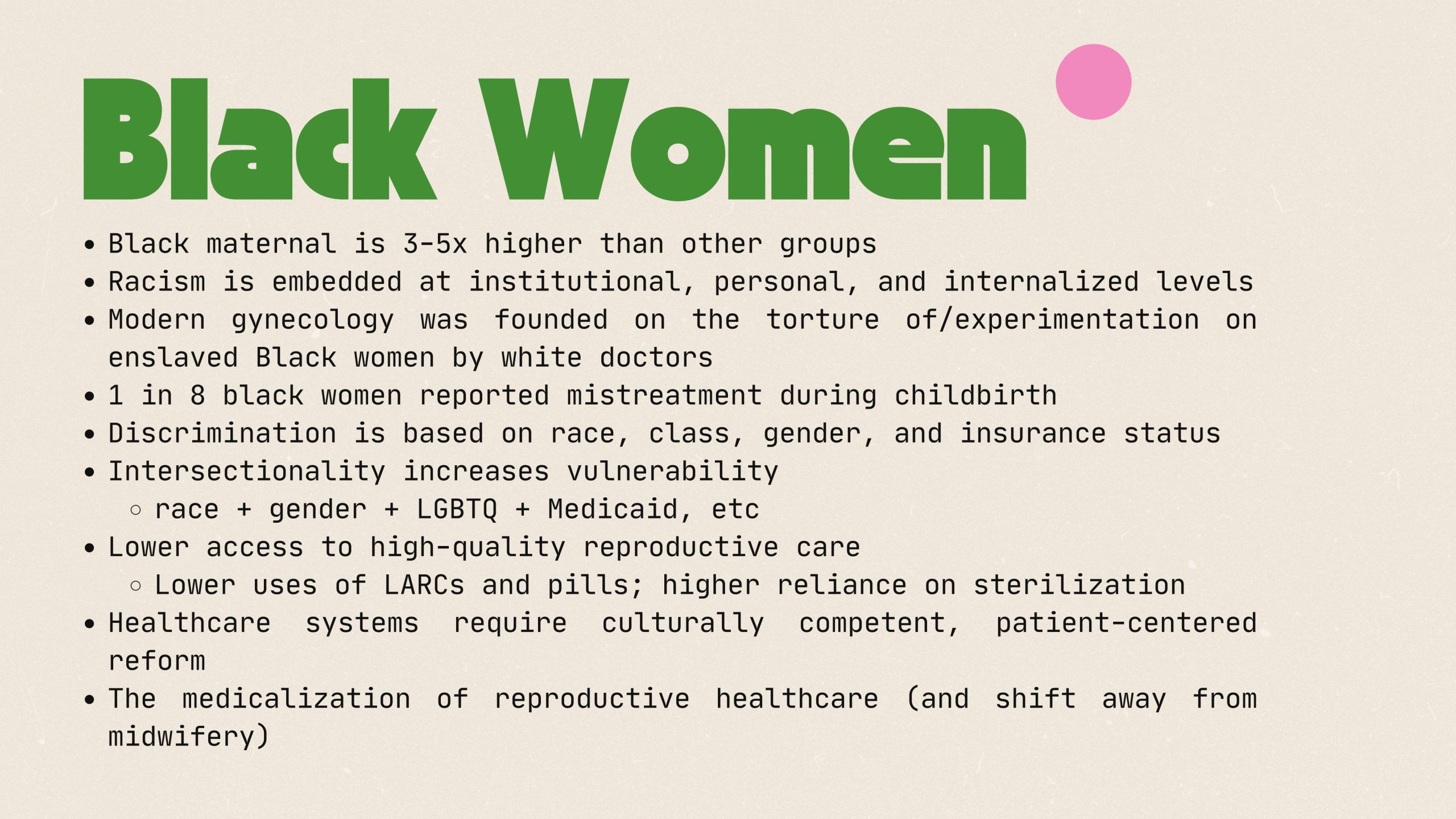
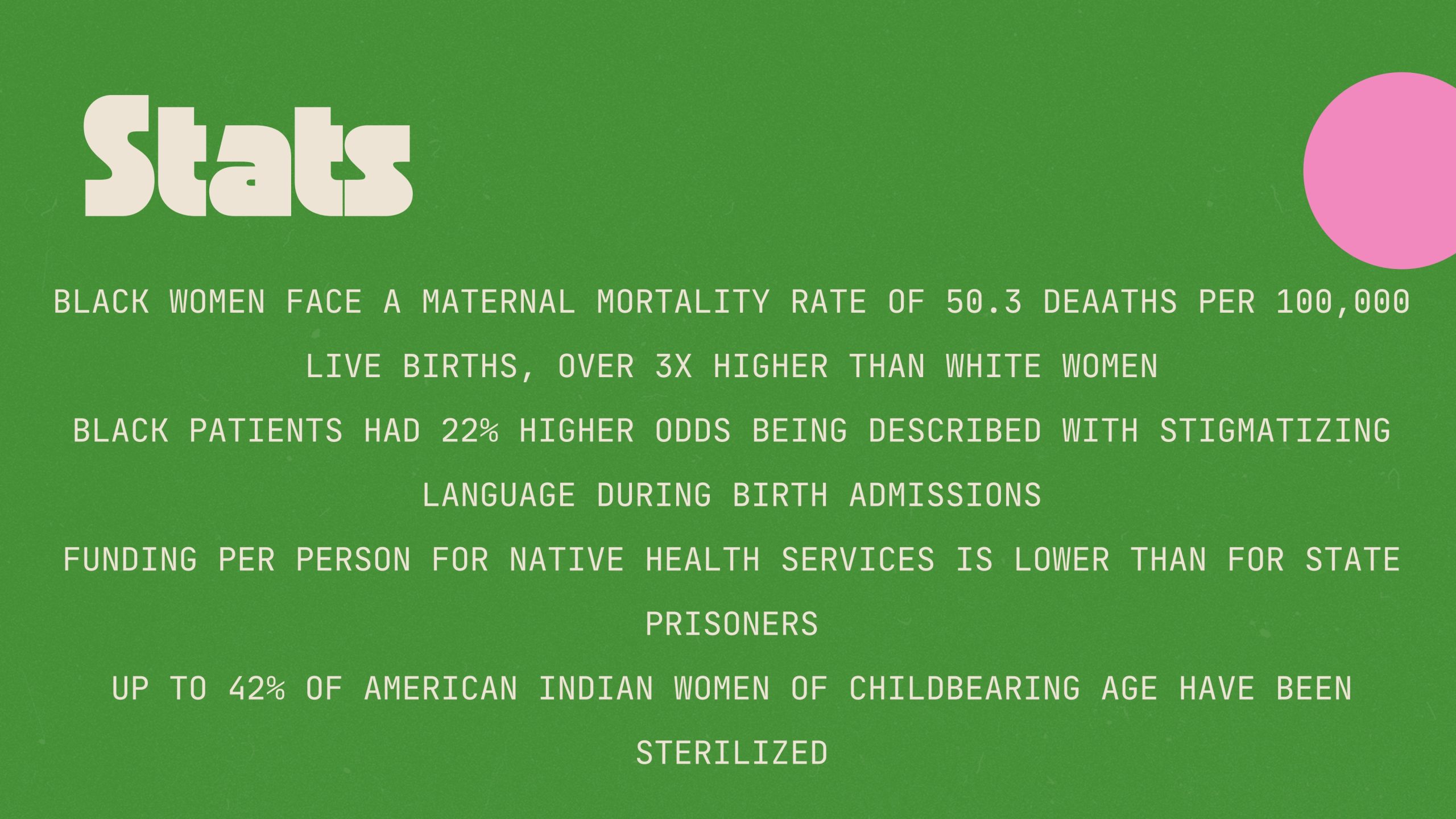

Medical violence and injustice are pressing issues in the United States today, especially against women of color. Many people don’t know the background of this injustice and how it is grounded in the history of the United States, and how colonialism has forced Black and Indigenous women to face difficulties regarding their bodily autonomy and medical rights as a whole.
Our project aims to understand and explore the deep-rooted history of medical reproductive injustice in the United States, specifically directed towards Black and Indigenous women.
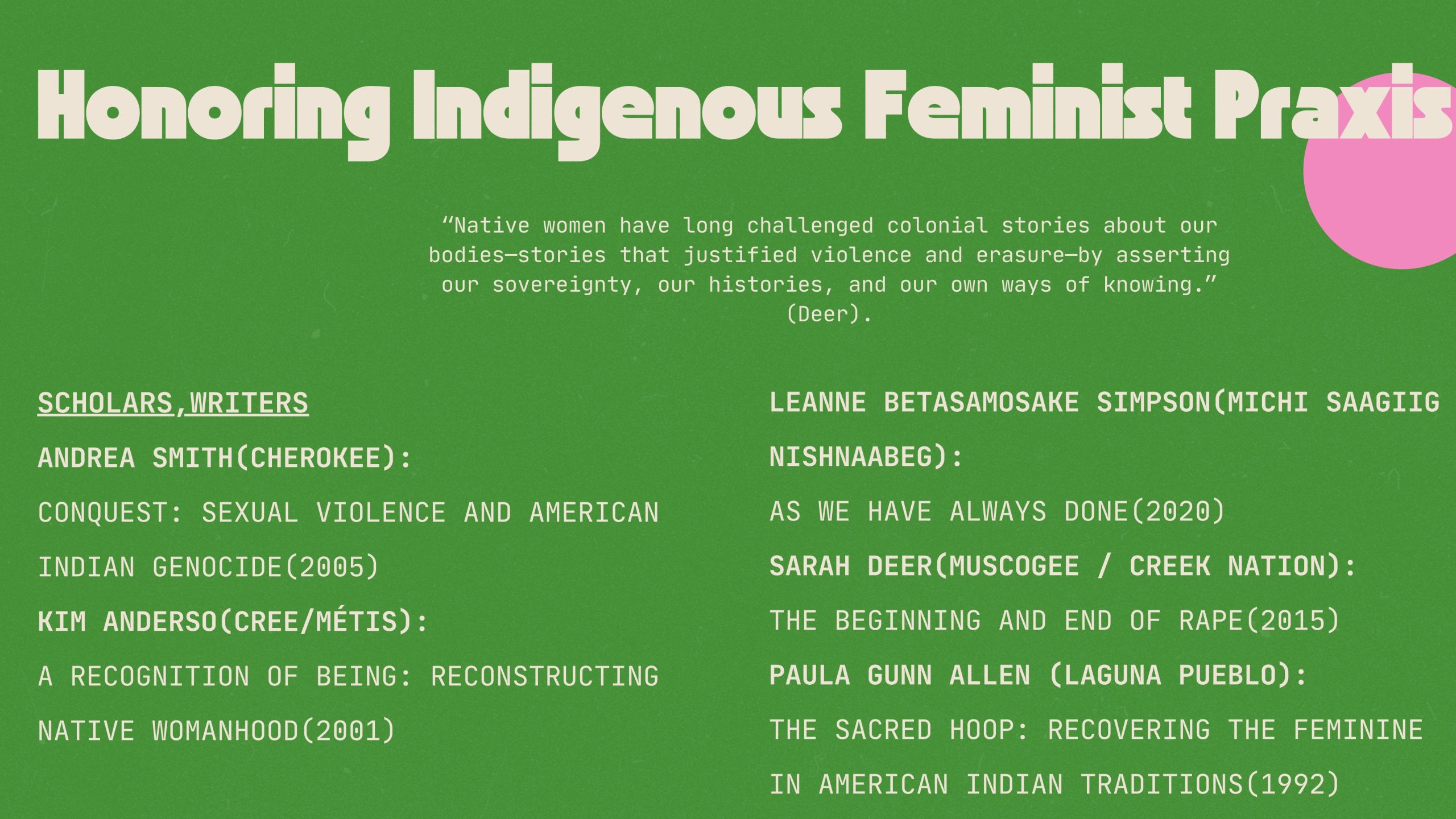
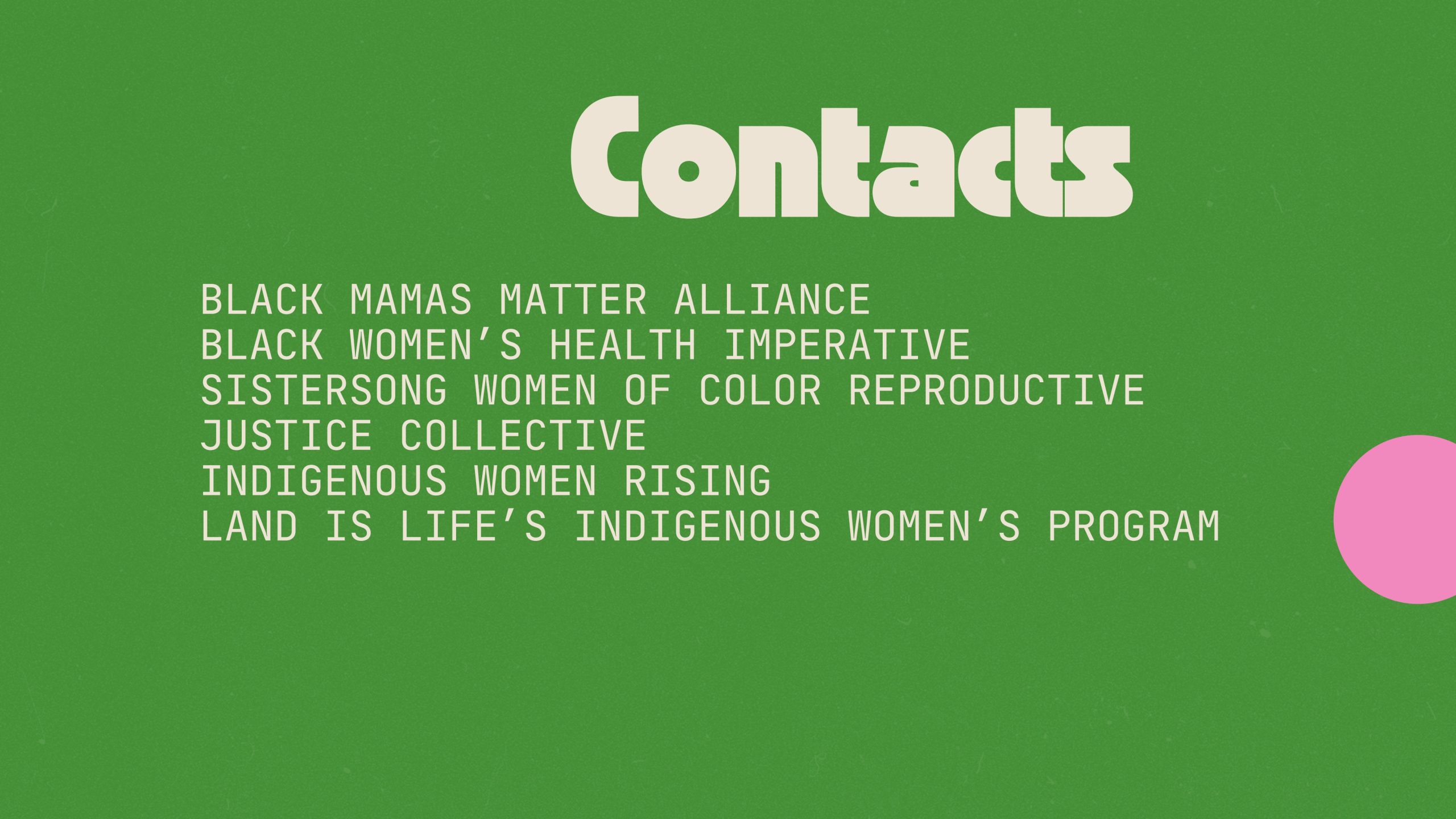
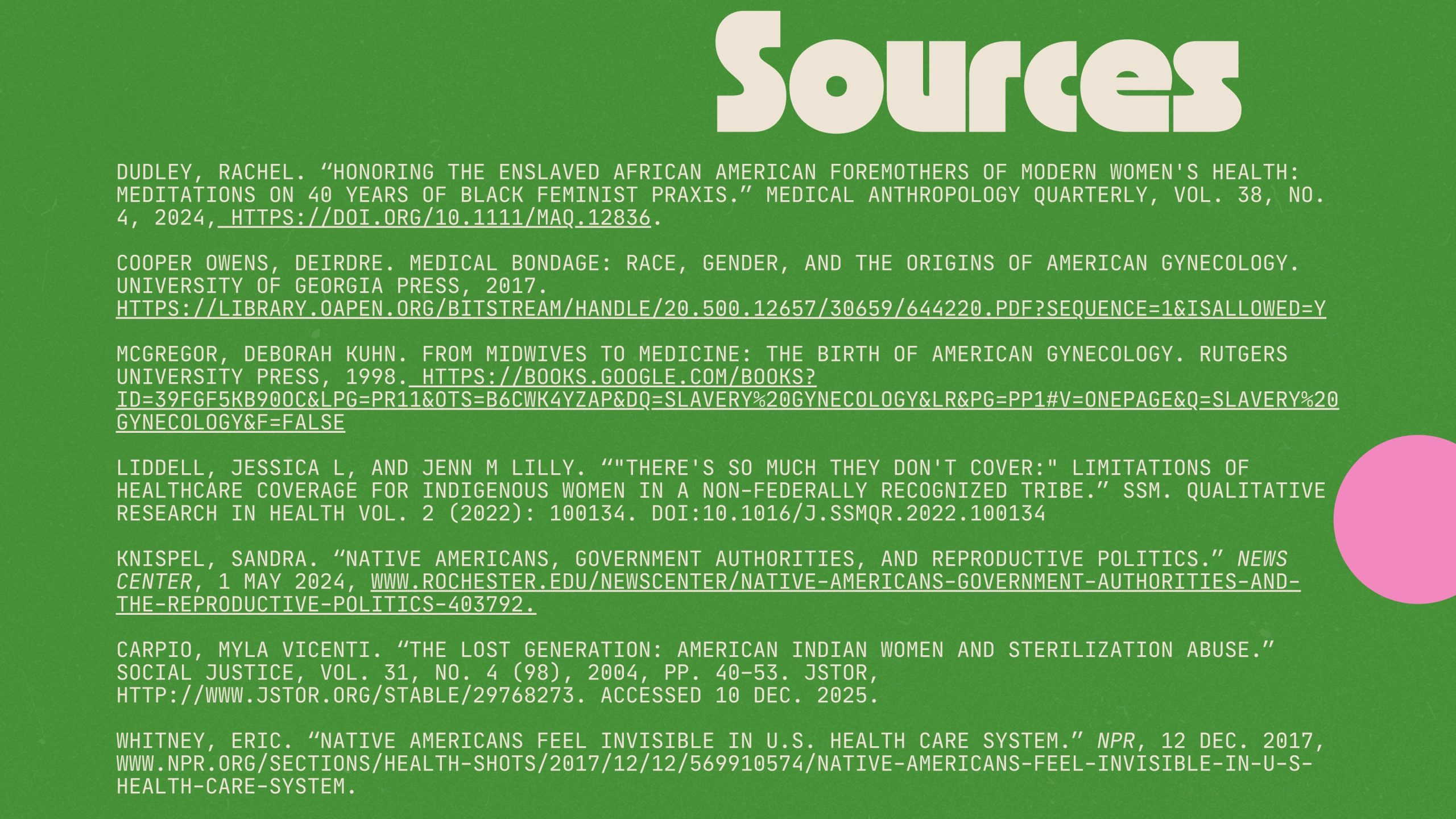
When starting the project, we were all very interested in medical injustice and wanted to learn more about how that affected different races, so we decided to team up. We decided to display our final product in a zine, where there was information that was comprehensible to the viewer, with a portion of resources at the end. We added resources that not only allow our viewers to understand the history of medical reproductive injustice in the United States, but also have the tools to reach out and learn more about the issue if they so please.
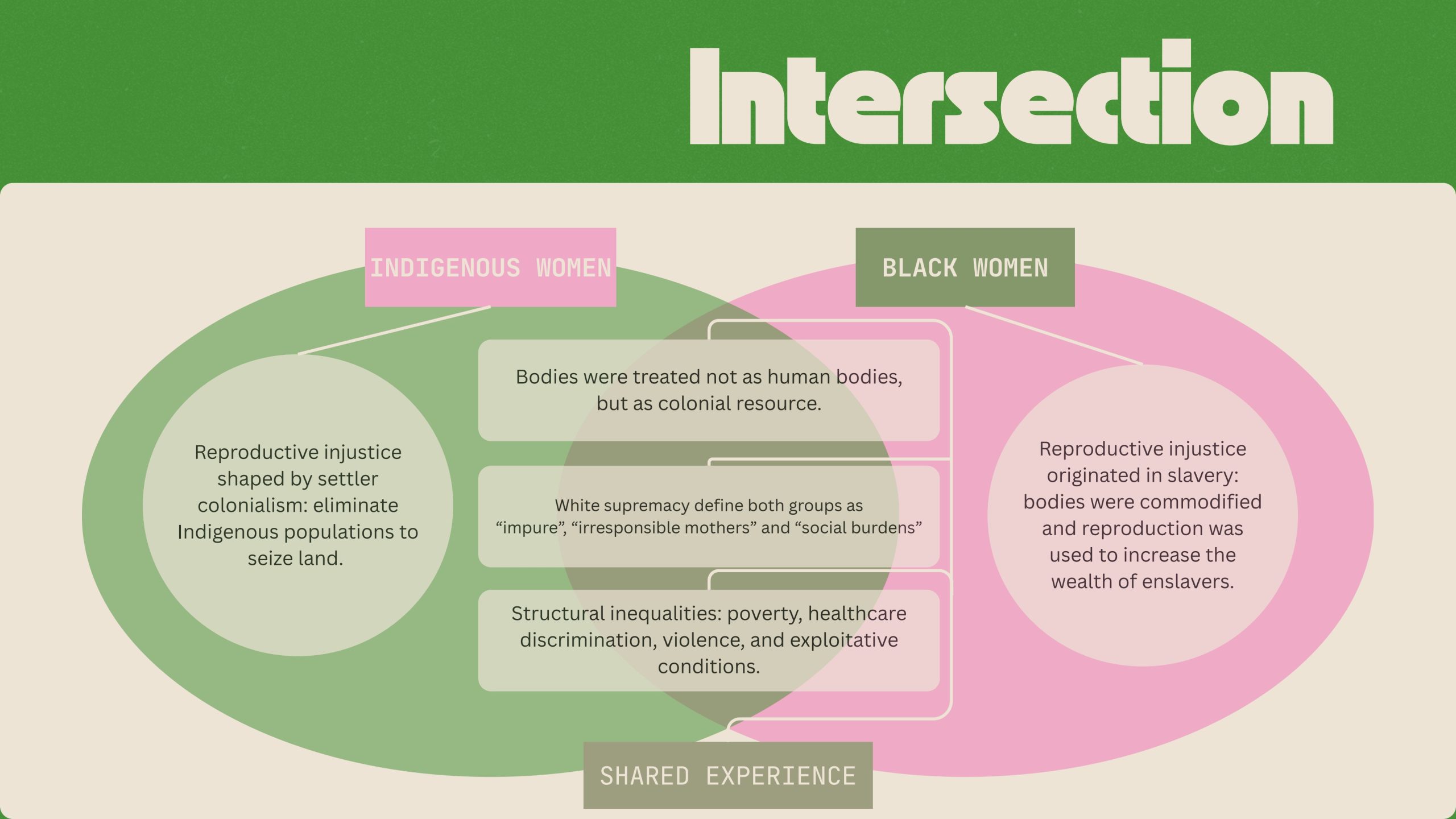
In our group, we had five members, so we decided that two members would explore medical reproductive injustice towards Indigenous women, and the other three would explore medical reproductive injustice and how that has affected Black women throughout history in the United States. We decided to conduct individual research on subtopics related to the different races we were investigating, and then brought them together to draw similarities and intersectionality.
For example, we decided to focus on the displacement of Black midwives, the historical roots of gynecology, reproductive medical racism against black women, Colonization and Oppression on Indigenous women’s bodies, reproductive health, and lives, and the sterilization of Indigenous women. We were able to find lots of interesting things that helped shape our understanding of medical reproductive injustice in the United States, and something that we were able to understand more deeply is the intersectionality between the two groups, and how gender and colonialism have shaped this injustice.
Although there are clear differences specific to each group, we were able to find a lot of underlying similarities that demonstrate how colonialism has shaped the United States and has left a lasting impact. This furthers anticolonial feminist thought by demonstrating how medical injustice has played a large role in racism and misogyny in the United States.
Leave a Reply
You must be logged in to post a comment.